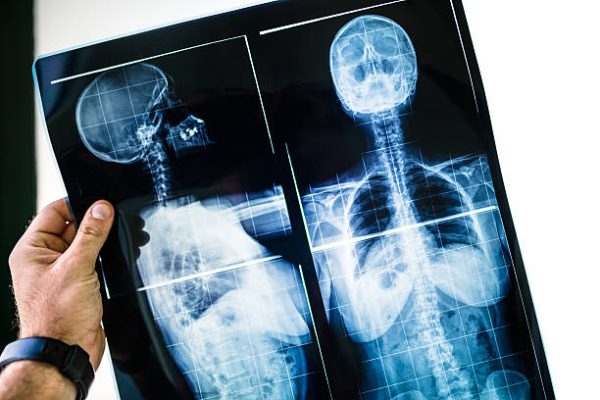
AST posture, “Anterior pelvic tilt” (Anterior Pelvic Curvature), also known as ), is a posture characterized by a forward tilt of the pelvis, causing the hips and lower back to protrude too far back. This posture can be caused by muscle weakness, prolonged sitting, and reduced mobility.
AST posture can cause problems such as spinal deformities, postural disorders, low back pain, and hip pain. Because the pelvis is tilted forward in AST posture, the lower back becomes rounded and the hips jut back. This can disrupt core balance and cause muscles to work unevenly.
A person with AS can do exercises to stretch and strengthen their hip flexors, lower back muscles, chest muscles, and shoulder muscles. It can also be helpful to control their sitting and standing posture to improve posture.
AST posture is often caused by prolonged sitting, reduced mobility, and muscle weakness. This posture can cause lower back pain, hip pain, spinal deformities, and poor posture.
Suggestions for Correcting AST Posture (Anterior Pelvic Curvature)
- Take control of your sitting and posture: Sitting upright, placing your feet flat on the floor and pulling your shoulders back can help improve your posture.
- Do stretches: Stretching the hip flexors, chest muscles, and shoulder muscles can help correct AST posture.
- Do strengthening exercises: Exercises that strengthen the glutes, abdominals, and back muscles can help correct AST posture.
- Exercise regularly: Cardio exercises, yoga, Pilates or aerobic exercises can help improve AST posture.
- Seek physical therapy: In some cases, specialized manipulations, exercises, and other treatments performed by a physical therapist can help correct AST posture.
AST stance(Front Pelvic Curvature) can be a long process to fix, but exercising regularly and paying attention to your posture is important to maintaining a healthy posture.