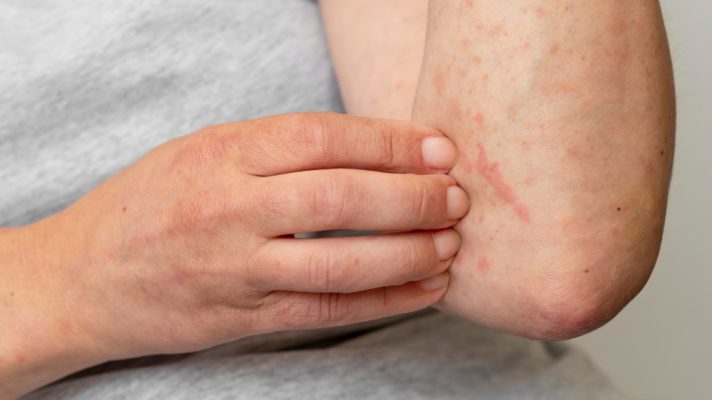
A condition characterized by the widening and deformation of the veins, generally seen in the legs and feet. varicose veins Normally, blood returns from the heart to tissues and organs through veins, but in some cases, the valves inside the veins become weak or damaged, causing blood to flow backwards and the veins to widen.
What are the symptoms of varicose veins?
Most often, enlarged and prominent veins of red, purple and blue color can be seen on the legs and feet.
It can often be painful and cause a burning, aching, or fullness sensation in the legs.
Itching may occur.
Leg cramps can occur, especially after standing for long periods of time or while sleeping in bed at night.
A feeling of heaviness in the legs may occur due to the fullness of the veins.
When used for a long time, thickening of the skin, color changes, flaking or sores may occur.
Swelling and edema may develop in the legs.
What are the Treatment Methods?
Compression stockings or bands on the legs varicose veins It can help regulate blood flow and reduce swelling by applying external pressure to the affected veins. It is available in low-pressure, medium-pressure, or high-pressure varieties. 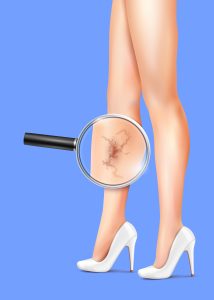
A special solution is injected into the diseased vein. The solution irritates and adheres to the inner surface of the vein, causing the disease to disappear.
A radiofrequency or laser device is inserted into the vein and heated to seal it.
Surgery is an option for extensive and severe cases. The diseased veins may be removed or ligated. While less commonly used, surgery may be an option for advanced cases or those that have not responded to other treatments.
In the endovenous ablation procedure, a special device is used to close the vein using radiofrequency or laser energy within the vein.
In the phlebectomy method, small skin incisions are made and the veins are removed.
Guided foam sclerotherapy is injected into the vein and spreads throughout the vein, providing an effective sclerotherapy treatment.
What are the dangers?
Varicose vein disease Although it's not a serious health problem, some potential dangers and complications can arise in later cases. These dangers include:
Blood clots can form, a condition called thrombophlebitis. Clots can block blood circulation and cause inflammation of the veins. If clots form in deep veins, a more serious condition called deep vein thrombosis (DVT) can occur.
In the case of superficial vein thrombosis, a clot forms in the veins more superficial to the skin, and a hard, tender, and red area may form under the skin.
 In advanced cases, it can increase pressure on the veins in the legs, causing skin sores and ulcers. These sores can be difficult to heal and carry a risk of infection.
As the disease progresses, skin color changes and thickening may occur. The skin may take on a brown or bluish hue.
Bleeding may occur as a result of friction or impact.
Tiny capillaries near the skin's surface can expand and burst over time, causing small purple spots to appear on the skin.
It can cause pain, burning sensation and discomfort in the legs.
It can affect the ability to receive sensation in the legs, causing numbness.
Most of these complications can occur in advanced cases and when left untreated. Varicose vein disease If you are experiencing symptoms or they have progressed, it is important to consult a specialist and consider appropriate treatment options.