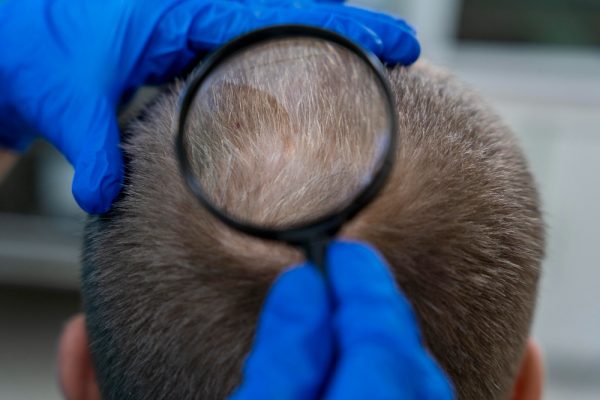
An autoimmune disease that causes hair loss, also known as “Alopecia areata” in the medical literature. ringworm disease Autoimmune diseases occur when the body's immune system normally perceives body tissues as foreign and attacks them. This condition specifically targets the hair follicles on the scalp, causing hair loss. It typically results in one or more round or oval-shaped bald patches. These patches typically appear on the scalp, but can also appear on eyebrows, eyelashes, beards, or body hair. They generally do not cause itching or pain and do not affect a person's overall health.
What are the symptoms?
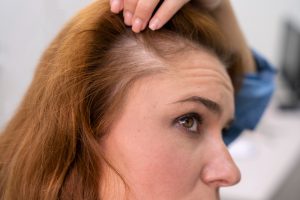 Ringworm disease Symptoms include hair loss, typically in round or oval shapes, occurring on various parts of the body. It most commonly occurs on the head and scalp, but can also affect eyebrows, beard hair, and body hair. It can begin rapidly and cause hair loss to begin suddenly within a few days or weeks. In place of the lost hair, round or oval-shaped, bare areas appear on the scalp. These areas have a different appearance than other hairs, and the hair may disappear completely. Other hairs besides the scalp (e.g., eyebrows and beard) can also be lost due to ringworm.
Ringworm disease It can sometimes cause itching or a slight burning sensation, but it doesn't always itch. Hair loss can cause remaining hair to become brittle and break more easily. It generally doesn't cause physical health problems and is treatable, but hair regrowth and the course of the disease can vary from person to person. If hair loss or bald patches on the scalp are noticed, it's recommended to seek help from a dermatologist or specialist.
What are the causative factors?
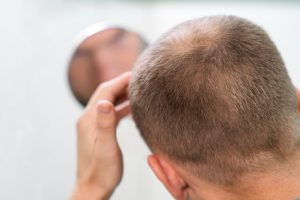 Although the exact cause of the disease is not fully understood, below are some factors that may cause it.
Autoimmune Diseases: Autoimmune diseases are one of the main causes of illness. While the immune system normally fights harmful microbes, in some cases it can mistakenly attack its own tissues, damaging hair follicles and leading to hair loss.
Genetic Predisposition: Familial predisposition may increase the risk of developing the disease. If there is a family history ringworm disease If a person has a history of the disease, their chances of developing it may also increase.
Stress and Psychological Factors: Severe stress and emotional trauma can be triggers for the disease. Stress can affect the body's immune system and contribute to its development.
Hormonal Changes: Hormonal changes, especially imbalances related to thyroid hormones and sex hormones, may play a role in the development of the disease.
Infections: Certain infections or diseases can trigger an immune system response and cause it to appear.
Environmental Factors: Environmental factors, such as exposure to chemicals or the use of certain medications, may contribute to the development of the disease.
Ringworm disease, It can vary from person to person, and everyone's situation may be different. If you have any concerns about the condition or are experiencing hair loss, it's important to consult a dermatologist or specialist to get the appropriate diagnosis and treatment.