
With the arrival of spring, a noticeable change begins in nature. Plants bloom. Pollen production increases. Air currents carry this pollen over wide areas. The human body cannot always tolerate these substances. The immune system perceives these foreign particles as a threat. This creates an allergic response. Hay fever This is one of the most common examples of this process. Sensitivity develops in the respiratory tract. The inner lining of the nose is affected. Discomfort occurs around the eyes.
What is Hay Allergy and What are its Symptoms?
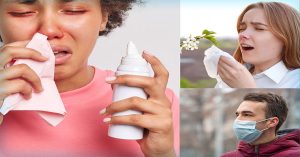
Symptoms usually start mildly. Their severity may increase over time. A constant runny nose makes daily life difficult. Repeated sneezing creates an uncontrollable situation. The itching sensation in the eyes becomes bothersome. Redness and increased tearing occur. This condition affects a person's social life. Work performance may decrease. Sleep patterns may be disrupted.
Some people may experience more severe symptoms. Nasal congestion makes breathing difficult. Mouth breathing may increase, leading to a dry throat. Headaches may occur in the mornings. Fatigue increases throughout the day. Difficulty concentrating becomes pronounced. If this process continues for a long time, it seriously impacts quality of life.
Early detection of symptoms is crucial. This makes it easier to take preventative measures and leads to a more successful treatment process. This situation, described in the last section, should be carefully evaluated. Spring Allergy It stands out as a significant condition that directly affects an individual's daily life. Early intervention can reduce the severity of symptoms.
The Effects of Seasonal Allergies on Daily Life
Seasonal allergic reactions are not limited to physical symptoms. They have a wide range of effects on daily life. The discomfort, which begins in the morning, can continue throughout the day. The person may feel constantly tired. Energy levels decrease. This negatively affects work life. Productivity decreases. Attention span shortens.
Social life is directly affected by this process. There is a desire to avoid outdoor activities. The person may avoid crowded places. This can lead to social isolation. Daily plans may be postponed. This has a negative psychological impact. Constantly recurring symptoms increase stress levels.
Sleep patterns are also disrupted during this process. Nasal congestion worsens at night, leading to interrupted sleep. The person cannot wake up feeling rested in the morning. A feeling of fatigue persists throughout the day. This cycle can repeat continuously, reducing quality of life.
In the long term, these effects become more pronounced. Work performance decreases. Social relationships weaken. The individual feels more restless. Therefore, this process needs to be managed correctly. The effects mentioned in the last section should not be ignored. Spring Allergy It is a health problem that affects an individual's physical and psychological state. These effects can be reduced with the right measures.
How is Hay Allergy Treated?
The treatment process begins with an accurate diagnosis. The source of the symptoms must be clearly identified. Expert consultation is crucial at this stage. Allergy tests identify trigger substances. This allows for the creation of a personalized treatment plan. Medication is a common method in the treatment process. Antihistamines help reduce symptoms. Nasal sprays soothe the airways.
Treatment is not limited to medication alone. Daily routines also play an important role. Keeping the home environment clean is essential. Care should be taken to reduce pollen ingress. Changing clothes upon returning home from outside is beneficial. Taking a shower helps remove pollen. These simple measures support the treatment process.
Some patients may prefer more advanced treatment methods. Immunotherapy is one of these options. This method aims to reorganize the immune system. It requires a long-term process. Regular follow-up is important. Patience is needed during the treatment process.
Regular check-ups are essential for successful treatment. It is important for the individual to monitor their own condition. A doctor should be consulted if symptoms change. This approach, as described in the last section, increases the success of the treatment. Spring Allergy With proper planning, it can be brought under control. This allows individuals to lead healthier lives.
Effective Ways to Reduce Allergic Reactions

Daily habits should be carefully regulated to reduce allergic reactions. Contact with the outside environment should be controlled. Hours with high pollen concentrations should be monitored. Morning hours can be particularly risky. Avoiding going outside during these hours is beneficial. Wearing sunglasses is recommended to protect the eyes.
The home environment plays a crucial role in this process. Regular cleaning should be done. Items that collect dust can be reduced. Carpet use can be limited. Air purifiers provide a supportive effect. Humidity balance should be maintained. This relieves respiratory problems. Bed linens should be changed frequently.
Diet has an impact on the immune system. A balanced diet increases the body's resistance. Water consumption should not be neglected. Exposure to cigarette smoke should be avoided. Breathing clean air is important. Daily routines should be planned accordingly.
These measures yield effective results when applied regularly. The person feels more comfortable. The quality of daily life improves. The suggestions in the last section should be carefully followed. Spring Allergy To reduce its symptoms, one needs to act consciously. This will make a more comfortable life possible.