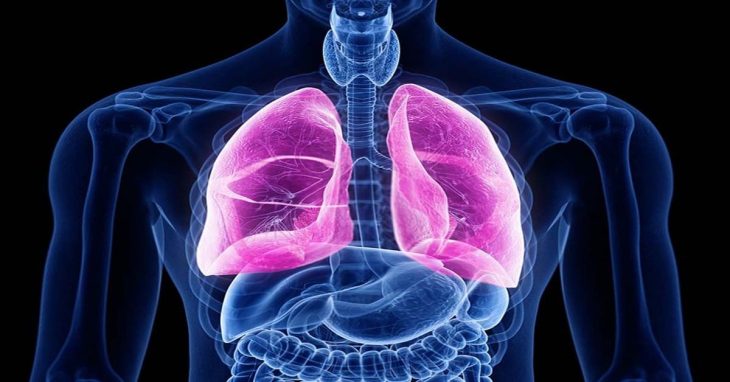
This disease has a hereditary nature. It occurs through genetic transmission. A defective gene inherited from the mother and father initiates this process. The glands that produce secretions in the body are affected. cystic fibrosis This causes these glands to produce more secretions than normal. The resulting thick buildup makes it difficult for organs to function.
What is it and how does it originate?

The lungs are among the organs most commonly affected by this disease. The accumulation of thick secretions in the airways makes airflow difficult, hindering breathing. The risk of infection increases over time, and patients may experience frequent respiratory infections. If left untreated, these infections can cause permanent damage.
The digestive system is also affected by this process. Pancreatic secretions do not reach the intestines adequately. The breakdown of nutrients becomes more difficult. The absorption process is impaired. This can lead to weight loss. Growth retardation may occur, especially in children. Vitamin deficiencies may develop.
The underlying cause of the disease is a gene mutation. This mutation disrupts the water and salt balance of cells. Secretions released outside the cells become concentrated. This concentrated substance accumulates in organs. Over time, organ functions weaken. This directly affects the quality of life.
Diagnosis is usually made at an early age. Screening tests are of great importance in this process. Family history is carefully examined. Early diagnosis makes it easier to control the disease. Cystic Fibrosis Treatment is more effective when detected early. This can increase the lifespan of patients.
What are the symptoms of cystic fibrosis?
This disease manifests itself with various symptoms. Symptoms can vary from person to person. The most common findings are related to the respiratory system. Persistent cough is noticeable. Sputum production may increase. This can make daily life difficult.
Shortness of breath is a common condition. Difficulty during physical activity may occur. Recurrent lung infections may develop. These infections can cause lung damage over time. Patients may need to visit the hospital frequently.
Digestive system symptoms are also important. Fatty stools may be observed. Nutrient absorption may be insufficient. This makes weight gain difficult. Growth retardation is noticeable in children. Low energy levels may occur.
Sweat glands are also affected by this disease. Sweat becomes saltier than normal. This provides an important clue in the diagnostic process. Therefore, a sweat test is a frequently used method. Families can notice this symptom early.
Symptoms should be detected early. Regular check-ups are crucial. The treatment process is tailored to the symptoms. Cystic Fibrosis With proper monitoring, it can be brought under control. Early intervention in this process significantly improves the quality of life for patients.
Changes Observed in the Respiratory System
The respiratory system is significantly affected in this disease. A large amount of secretions accumulate in the lungs. This accumulation narrows the airways, making airflow difficult and hindering the breathing process. This directly impacts patients' daily lives.
Over time, damage can occur to lung tissue. Chronic infections worsen this damage. Bacteria multiply easily in thick secretions, increasing the risk of infection. Patients may need to take antibiotics frequently, and long-term treatment may be necessary.
The bronchi can widen. This condition is called bronchiectasis. Widened bronchi become more susceptible to infections. Respiratory capacity decreases over time. Daily activities may become difficult. Exercise tolerance may decrease.
Respiratory physiotherapy plays a significant role in this process. The goal is to clear phlegm. Regular exercise supports respiratory capacity. The treatment plan is tailored to the individual. This approach facilitates the management of the process.
The respiratory system should be monitored regularly. Early intervention reduces the risk of complications. This can extend the lifespan of patients. Cystic Fibrosis It has significant effects on the respiratory system. These effects can be reduced with the right treatment.
Diagnostic Process and Treatment Approaches
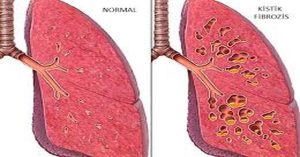
The diagnostic process requires careful evaluation. Newborn screening tests play a crucial role. Early diagnosis affects the course of the disease. Family history is taken into consideration during this process. Symptoms are examined in detail.
Sweat tests are a commonly used diagnostic method. They measure the salt content in sweat. High values are an important indicator of the disease. Genetic tests can confirm the diagnosis. These tests reveal the mutation, thus clarifying the diagnostic process.
The treatment process requires a multifaceted approach. The goal is to clear the airways. Medication controls infections. Nutritional support is crucial; patients' calorie needs are increased.
Physiotherapy is an important part of the treatment. Breathing exercises are performed regularly. These exercises facilitate the expulsion of phlegm. As a result, the patients' quality of life improves. Daily life becomes more comfortable.
Regular follow-up increases the success of the treatment. Patients should be under the supervision of a specialist. The treatment plan is updated individually. Cystic Fibrosis It can be managed with a disciplined approach. This approach contributes to patients living longer and better quality lives.