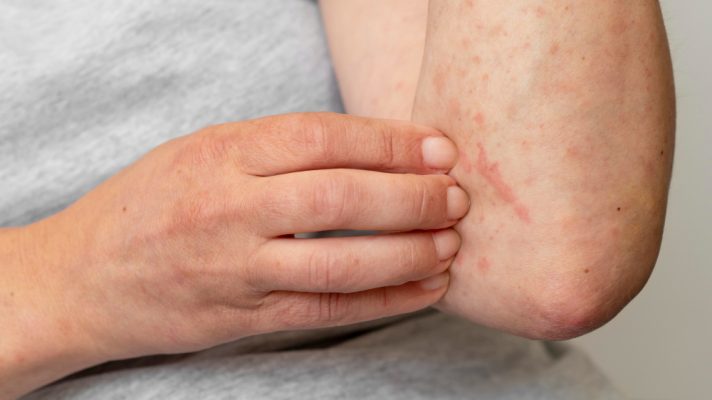
It is also known by its medical term as “atopic dermatitis.”. Eczema disease, Eczema is a condition caused by inflammation and irritation of the outer layer of the skin. It is characterized by symptoms such as redness, itching, blisters, dry skin, flaking, and sometimes crusting. It typically occurs due to complex interactions between the immune system and skin barrier functions. Genetic predisposition, allergic reactions, dry skin, external irritation, and certain environmental factors can influence the development of eczema.
What are the symptoms?
Symptoms can vary from person to person and depending on the type of eczema. Common symptoms include itching, redness, blisters, dryness and flaking, inflammation, and thickening of the skin. Intense itching is the most common symptom of the condition. Scratching can cause further irritation and disrupt the skin barrier. Affected areas of skin are often red. Eczema disease, It can cause small, fluid-filled blisters to form on the skin. These blisters can burst over time, creating a wet skin surface. In this condition, the skin cannot retain moisture and becomes dry, leading to flaking. In chronic cases, thickening of the skin and skin lesions can occur.
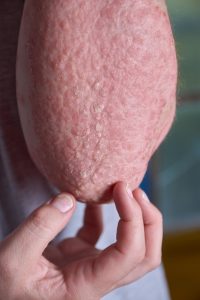
Reason The one which What are the factors?
The underlying causes of the disease can be complex, and triggers vary among individuals. Factors contributing to the disease include genetic predisposition, immune system, skin barrier weakness, allergens, environmental factors, stress and psychological factors, hormonal changes, and high histimonial levels. Individuals with a family history of the disease are at higher risk. Genetic factors play a significant role in the development of the disease. Immune system disorders eczema disease This can increase the risk. Inflammation causing skin reactions can trigger symptoms of the disease. The skin acts as a barrier to protect itself against external factors. If the skin barrier is weakened, the skin can become dry and irritated, causing symptoms to appear. Allergens such as house dust mites, mold, animal dander, pollen, certain foods, and chemicals can also trigger symptoms of the disease. Dry air, cold weather, moisture loss, and skin irritants can trigger or worsen eczema. However, stress can worsen symptoms or be a trigger. Hormonal changes, puberty, pregnancy, or hormonal disorders can exacerbate symptoms. It is important to consult a dermatologist if symptoms appear.
What are the Treatment Methods?

Eczema disease Treatment methods include moisturizers, topical corticosteroids, calcineurin inhibitors, antihistamines, and nonsteroidal anti-inflammatory creams. Because this condition causes dry and sensitive skin, it is important to use moisturizers regularly. Moisturizers help maintain skin moisture levels and can reduce itching. Doctors may prescribe topical corticosteroid creams or ointments for cases ranging from mild to severe. These medications can reduce skin inflammation and relieve itching. Calcineurin inhibitors, eczema disease It's another topical treatment option that can be used as an alternative to corticosteroids in the treatment of psoriasis. These medications help control skin inflammation. Hot water can worsen symptoms. Therefore, short, lukewarm baths or showers can be less irritating to your skin. It's also important to gently dry yourself after bathing and apply moisturizer immediately afterward. Exercise and stress management can positively impact skin health. Excessive stress can exacerbate symptoms. It's important to consult a dermatologist to determine the most appropriate treatment method.

