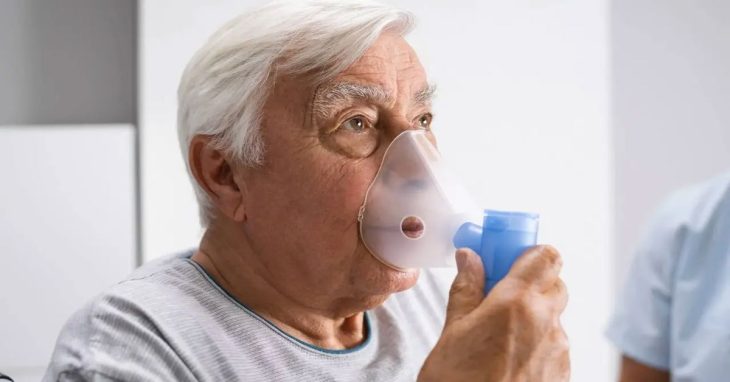
Maintaining respiratory health plays a vital role in preserving quality of life. Early detection of symptoms can contribute to an accurate assessment process. COPD Raising awareness about the disease can offer significant advantages in its management.
What are the symptoms of COPD?
The respiratory system plays a fundamental role in sustaining life. The proper functioning of the lungs directly affects the quality of daily life. Certain problems that develop in the respiratory tract can cause significant symptoms over time. These symptoms may be mild in the initial stages. Many people may not take the first signs seriously. This can lead to delays in the diagnostic process.
The most common complaints include shortness of breath. Difficulty climbing stairs may occur. Fatigue may develop during long walks. A decrease in respiratory capacity may be noticed during daily activities. Some people may experience a cough in the morning. There may be a need to expectorate phlegm. This condition may persist for a long time.
As the disease progresses, symptoms become more pronounced. Difficulty performing physical activities may increase. A feeling of tightness in the chest may occur. Wheezing may be heard during breathing. Sleep patterns may be affected. Loss of performance in daily life activities may develop. The person may tire more easily.
Knowing the risk factors is important. Smoking is among the significant causes. Exposure to harmful gases can be a contributing factor. Prolonged exposure to dusty environments can have negative consequences. Early expert evaluation is crucial.
Recognizing the symptoms can speed up the diagnostic process. Regular check-ups contribute to monitoring the disease. A conscious approach is necessary to maintain quality of life. These symptoms... COPD These are important signs that should be evaluated. Early diagnosis can help in creating an appropriate treatment plan.
How is the diagnosis made?
Accurate diagnosis is crucial in respiratory system diseases. Early assessment contributes to the development of an appropriate treatment plan. The diagnostic process begins with listening to the patient's complaints. The specialist physician takes a detailed history. Complaints experienced in daily life are evaluated. Risk factors are investigated. Conditions that may affect respiratory capacity are examined.
Physical examination is among the important steps. Respiratory sounds are carefully listened to. Chest movements are evaluated. General health status is reviewed. Necessary tests are planned after the examination. In this way, more detailed information is obtained.
Pulmonary function tests are frequently used in the diagnostic process. These tests provide information about lung capacity and allow for the evaluation of changes in airflow. The results help determine the severity of the disease. In some cases, imaging methods may be used to examine the lung structure in detail.
Laboratory investigations can provide additional information. Blood tests may be performed. Oxygen levels can be assessed. Further investigations may be planned as needed. The process may vary for each patient. Therefore, individual assessment is important.
Regular follow-up is as important as diagnosis. Changes in symptoms should be monitored. The response to treatment should be evaluated. During the diagnostic phase... COPD Proper investigation of the possibility is of great importance. Early diagnosis can contribute to preserving quality of life.
What methods are used in the treatment of COPD?
Treatment for respiratory illnesses is planned individually for each patient. The severity of the disease is assessed, symptoms are considered, and the impact on daily life is examined. Based on this information, the appropriate approach is determined. The goal is to preserve respiratory function and improve quality of life.
Medication plays a significant role in the treatment process. The appropriate medications are determined by a specialist physician. These can help relieve respiratory distress and aim to control symptoms. Consistent adherence to the treatment plan is crucial.
Lifestyle changes are important parts of the process. Quitting smoking can have a positive impact. Increasing physical activity can be beneficial. A balanced diet can support overall health. Breathing exercises may be beneficial for some people. It is necessary to follow expert recommendations.
Regular follow-up is among the important factors affecting treatment success. During check-ups, the current condition is assessed, the treatment plan is reviewed, and adjustments can be made if necessary. This way, more effective results can be achieved.
It is important for patients to act consciously. Expert advice should be sought if any changes in symptoms are noticed. Active participation in the treatment process can be beneficial. Current treatment approaches. COPD It offers significant advantages in management. Regular monitoring can contribute to maintaining quality of life.
What should we pay attention to in daily life?
Respiratory system health can be affected by daily lifestyle habits. Therefore, paying attention to certain issues is important. Healthy lifestyle habits can help keep symptoms under control. Regular follow-up is an important part of the process.
Physical activity should be maintained at an appropriate level. A sedentary lifestyle should be avoided. Exercises recommended by experts can be implemented. Daily walks can be beneficial. An exercise plan should be created that suits the individual's capacity. Overly strenuous activities should be avoided.
Diet is important. Balanced meals should be preferred. Adequate fluid intake should be ensured. Habits that support overall health should be adopted. Attention should be paid to sleep patterns. Rest periods should not be neglected.
Environmental factors should be considered. Areas with dense smoke should be avoided. Dusty environments should be minimized as much as possible. Clean air conditions should be preferred. Protective measures should be taken in accordance with expert recommendations.
Regular health checkups should not be neglected. The treatment plan should be followed. An evaluation should be sought if any changes in symptoms are noticed. Daily lifestyle habits should also be considered. COPD It plays an important role in management. A conscious approach can help preserve quality of life.