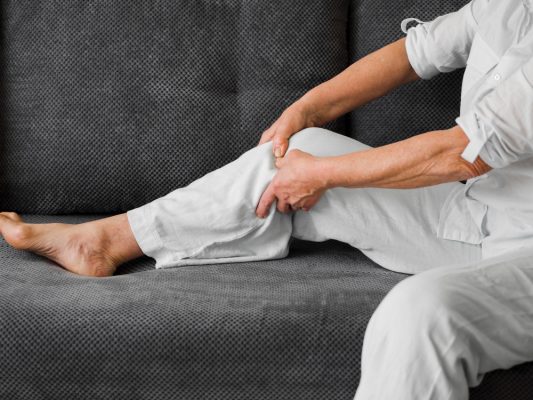
Also known as Willis-Ekbom disease, this common neurological disorder restless legs syndrome It is a chronic feeling of discomfort that usually occurs in the legs or, less commonly, in body parts such as the arms, feet, or hands. This discomfort is usually more pronounced at rest or during sleep and may prompt the person to move their legs.
What are the symptoms?
Restless legs syndrome People with this condition often feel a need to move or rub their legs, hence the term "restless." Symptoms typically become more pronounced at rest or during sleep and can disrupt a person's sleep patterns. Common symptoms include discomfort in the legs, involuntary movements, worsening symptoms at rest, trouble sleeping, and nighttime movements. There is often an uncomfortable, restless, or tingling sensation in the legs below the knee. The severity of this sensation can vary from person to person. People often feel an urge to move or rub their legs.
These movements often provide relief, but they are temporary. Symptoms are often more pronounced in resting positions, such as sitting or lying down, and can be more intense in the evening and throughout the night. They can disrupt sleep patterns and cause frequent awakenings. This can negatively impact sleep quality and lead to fatigue and weakness during the day. People may often unconsciously move their legs throughout the night. This can cause varying degrees of discomfort, often depending on the intensity and frequency of symptoms. If these symptoms are suspected or a significant decrease in sleep quality is noted, it is important to consult a healthcare professional.
What Causes Restless Legs Syndrome?
 Although the exact cause of this condition is unknown, the following factors are thought to trigger this syndrome:
It has been observed that people with a family member who has this condition are more likely to develop it. Genetic factors are thought to be involved.
This condition is thought to be caused by a malfunction in the brain of a neurotransmitter called dopamine. Dopamine is a chemical that plays a role in movement control and nerve transmission, and if it doesn't work properly, it can cause involuntary movements of the legs at rest.
Iron deficiency is another contributing factor to this condition. Iron is essential for dopamine production and nerve function in the brain. Iron deficiency may contribute to the development of the syndrome by affecting dopamine levels.
Certain health conditions, such as diabetes, kidney disorders, peripheral nerve diseases, and Parkinson's disease, may increase the risk or worsen symptoms.
During pregnancy, symptoms of the syndrome may increase due to hormonal changes and increased blood volume.
Restless legs syndrome In people with eczema, symptoms often become more pronounced in the evening or as they prepare for sleep, and they may feel compelled to move their legs for relief at rest. If you suspect you have the condition, it's important to consult a doctor and seek professional help to diagnose and treat your condition.
What are the Treatment Methods?
 Commonly used treatment methods include medications, iron supplements, attention to sleep patterns and hygiene, exercise, and heat and cold applications. Medication can be effective in reducing symptoms. Various medications, including dopamine agonists, gabapentin, pregabalin, and opioids, can be used. You should discuss treatment with your doctor and monitor your progress regularly. Iron deficiency can sometimes cause this condition. While iron supplements can alleviate symptoms in individuals with iron deficiency, you should be evaluated by a healthcare professional before taking iron supplements. Maintaining a healthy sleep schedule and ensuring quality sleep can help reduce symptoms. Sleep hygiene practices can improve both the onset of sleep and the quality of sleep.
Regular gentle exercise can help relieve symptoms, but it's important to avoid excessive exertion or activities that will further irritate the legs. Heat or cold applications may help relieve symptoms in some people. Try taking a warm shower, applying a heating pad to your legs, or applying a cold compress. Reflexology or massage may help relieve leg discomfort in some people, but the effects of these methods can vary from person to person. Restless legs syndrome If you think you're experiencing this or your symptoms are bothersome, it's important to consult a doctor. To receive the correct diagnosis and treatment, you should be evaluated and referred by a healthcare professional. Furthermore, consistently following your doctor's recommended treatment plan will help manage your symptoms.