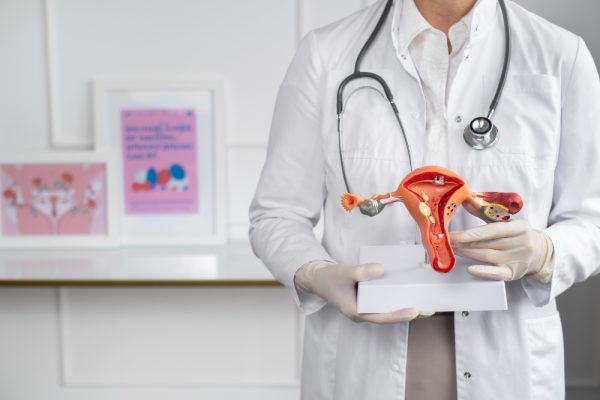
Health condition that causes hormonal imbalances in women polycystic ovary syndrome It typically affects women of reproductive age and causes problems with the reproductive system and hormonal regulation. The term "polycystic ovary" is derived from the formation of small cysts within the ovaries. These cysts can prevent eggs from maturing and being released regularly.
What are the symptoms?
It can cause different symptoms in women, and symptoms can vary from person to person. Common symptoms include menstrual irregularities, such as irregular periods, infrequent periods, or no periods at all. Hirsutism, which is the growth of more hair than normal on areas such as the face, chest, and abdomen. Acne, which causes severe acne on areas such as the face, back, or chest. Polycystic ovary syndrome Some women with infertility may become overweight or obese. Infertility can reduce a woman's ability to become pregnant because it affects ovulation and regular menstrual cycles. In some women, their body's response to the hormone insulin is reduced, which can lead to high blood sugar levels.
What are the causative factors?
The exact cause is unknown, but it has been observed that genetic, hormonal, and environmental factors combine to play a role. Polycystic ovary syndrome the main factors that cause it to occur
Genetic predisposition, hormonal imbalances, insulin resistance, ovarian abnormalities, inflammation and oxidative stress, and environmental factors are involved. Women with a family history of this syndrome are at higher risk of developing the disease. The underlying cause of the disease is the insufficient production of androgens (male hormones) along with female hormones such as estrogen and progesterone. There is an imbalance in the hormones. This imbalance can affect ovulation and lead to the development of polycystic ovaries. Body cells respond to the hormone insulin to convert blood sugar into energy. In women with the disease, body cells may be less responsive to insulin than normal, leading to insulin resistance. Insulin resistance can cause the body to produce more insulin, which in turn increases androgen production in the ovaries. polycystic ovary syndrome Affected women often have larger-than-normal ovaries and immature follicles. This can affect ovulation and make it difficult to have regular menstrual cycles. These factors can vary from woman to woman, and in many cases, the exact cause cannot be determined.
What are the Treatment Methods?
 Treatment for the condition varies depending on the severity of symptoms and the patient's overall health. Treatment generally focuses on reducing symptoms, restoring hormonal balance, and preventing potential complications. Treatment options include lifestyle changes, weight management, insulin sensitivity medications, ovulation induction, and antiandrogen medications. A healthy diet and regular physical activity are important for managing symptoms and maintaining weight. Choosing low-glycemic index foods, high-fiber foods, and low-fat foods can help balance insulin levels. Polycystic ovary syndrome Obesity and overweight are common among women experiencing erectile dysfunction. Weight loss can help restore hormonal balance and reduce symptoms. Working with a dietitian or healthcare professional is important to set appropriate weight loss goals. Medications that reduce the effects of androgen hormones can help treat symptoms such as excessive hair growth and acne. Because treatment can vary depending on individual needs, it's important to consult a specialist to develop a personalized treatment plan for each woman diagnosed with the condition. This can help manage symptoms and prevent potential complications.