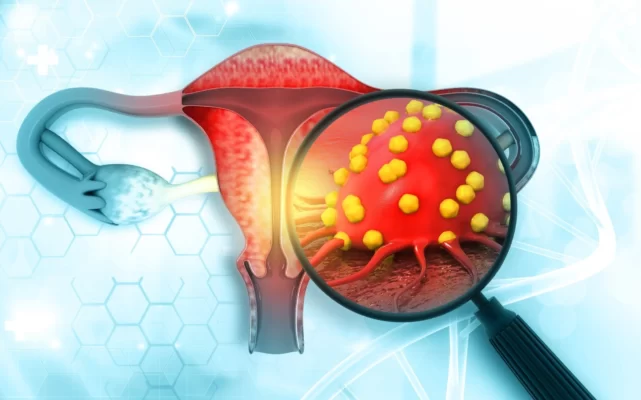
It occurs as a result of abnormal and uncontrolled growth of the cells of the cervix. cervical cancer It's often associated with HPV infection. Early diagnosis and treatment can prevent the spread of the disease. Preventive measures like Pap smear tests and HPV vaccination can reduce the risk of the disease.
What are the symptoms of cervical cancer?
 The most common symptom is vaginal bleeding. Abnormal bleeding, such as bleeding after intercourse or postmenopause, should be taken seriously. It can cause persistent or recurring pain in the pelvic area. It may be different from normal vaginal discharge, such as a foul-smelling, bloody, or pus-tinged discharge. It can also cause problems with urination or incontinence.
Symptoms cervical cancer or it may indicate other pelvic health problems. It often has no symptoms in the early stages, so early diagnosis with regular cervical screenings and Pap tests is important. If you experience any abnormal symptoms or are unsure, it's important to consult your doctor for your health.
What Causes Cervical Cancer?
It's an infection caused by a virus called Human Papillomavirus (HPV). HPV can infect cervical cells and cause them to grow abnormally. However, viral infection alone does not cause cancer. It increases the risk of developing HPV types. Smoking increases the risk of HPV infection in people with weakened immune systems.
Starting sexual intercourse at a young age cervical cancer It may increase the risk. People who have multiple sexual partners may be at increased risk of viral infection. If there is a family history of the disease, the risk of infection is higher. Unbalanced nutrition and deficiencies, immunosuppressive medications, or birth control methods can trigger the disease. Regular screenings and vaccination against the virus can reduce the risk of cancer.
How is it transmitted?
It is transmitted through sexual contact. It is a virus that infects the skin and mucous membranes of the body, particularly the cervical tissue in the genital area. An infected partner can transmit the virus to an uninfected partner. In addition to sexual contact, the virus can also be transmitted through skin-to-skin contact.
It can be spread through genital contact or through hands. It can also be spread through objects that come into contact with an infected person's body fluids or skin, but this is less common. There are many different types of HPV, but some types have the potential to cause cancer.
For most people, the infection is cleared by the body's immune system and does not lead to cancer. However, if the infection persists for a long time or the immune system is weakened, it can cause abnormal growth of cervical cells and, over time, cause them to transform.
How is it treated?
 Treatment for cervical cancer can vary depending on the type, stage, and the patient's overall health. Treatment may require a multidisciplinary approach. One of the most common treatments is surgery. Cervical cancer It is performed to remove the cells and surrounding tissue. Surgical options may include conization, hysterectomy, and lymph node surgery.
Radiotherapy uses high-energy beams to destroy cells. It can be used as the main treatment after surgery or if the cancer has spread. Chemotherapy involves the use of drugs to kill cells or slow their growth. It is often used in conjunction with radiotherapy or is preferred in cases of metastasis.
Targeted therapies based on specific genetic or molecular characteristics may also be used. The treatment plan is determined by an oncologist, surgeon, radiation specialist, and other specialists, depending on the type and stage of the virus. Early diagnosis and treatment outcomes can lead to a patient's recovery. Afterward, patients should be monitored for regular follow-up and screenings.
How Long Is The Recovery Process?
The recovery process can vary depending on many factors, including the type of cancer, its stage, treatment methods, the patient's general health, and response to treatment. If treated with surgery or radiation therapy, most patients can recover completely. Recovery can take several weeks to several months. cervical cancer may require more complex treatment.
The likelihood of a full cure is lower in advanced cancers, but treatment can halt disease progression, relieve symptoms, and prolong life. Patients are monitored regularly. Follow-up visits are conducted to monitor for cancer recurrence and to manage post-treatment side effects. After treatment, it's important for patients to maintain a healthy lifestyle and follow recommendations to strengthen their immune systems.
These factors include not smoking, maintaining a healthy diet, exercising regularly, and following regular medical checkups and screenings. Recovery and quality of life after treatment can be significantly impacted by the patient's physical and emotional health, support system, and medical follow-up.