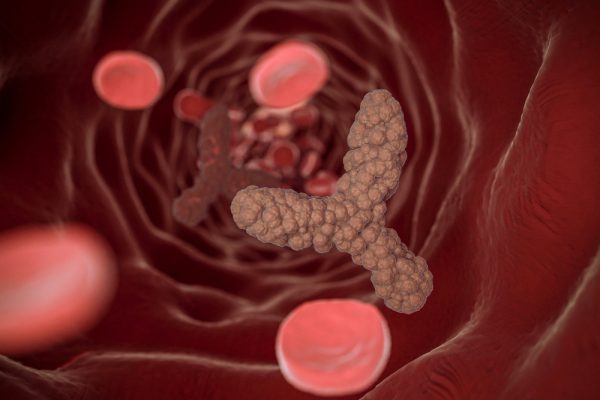
It is an infection also known as shigellosis. Bacillary dysentery, It is caused by bacteria of the Shigella genus, a bacterial species. Shigella bacteria cause intestinal infections, causing disease symptoms in the digestive system.
What are the symptoms of bacillary dysentery?
 This infection is usually transmitted through dirty hands or contaminated food. It is characterized by severe diarrhea and abdominal pain, which can be particularly serious in children and the elderly. Symptoms include: watery, bloody, and mucus-stained stools. Severe, cramp-like abdominal pain occurs. A mild to moderate fever is often present. The person may experience nausea and vomiting.
You may feel weak due to fluid and electrolyte loss. Your desire to eat may decrease. Headaches may occasionally occur. In rare cases, febrile seizures may occur in children. Bacillary dysentery Symptoms usually appear within 1-3 days of infection. It is important for people with these symptoms to limit contact with others and practice good hygiene because they can spread the disease to others.
What are the causative factors?
The factors that cause this disease include: The primary cause of this condition is bacteria called Shigella. These species are fecally transmitted microorganisms and are spread through direct contact with the feces of infected individuals or through contaminated water and food. Inadequate handwashing by infected individuals before using the toilet can lead to the spread and transmission of Shigella bacteria. When Shigella bacteria come into contact with contaminated water or food, individuals can become infected by consuming water or food containing these bacteria.
It can be spread from person to person through direct contact with the feces of infected people. It can spread quickly, especially among close contact, family members, or people in crowded places. People with weakened immune systems may be more susceptible to the bacteria and experience more severe illness. In addition to these factors, in areas with inadequate access to clean water and poor hygiene, bacillary dysentery cases may be more common. Early diagnosis and treatment in these cases is also important for disease control.
What are the Treatment Methods?
 Treatment options may include the following: Antibiotics that are effective against bacteria may be used. Your doctor will prescribe an appropriate antibiotic for you. The duration of treatment and dosage will be determined by factors such as the severity of the illness and the patient's age. Bacillary dysentery, Severe diarrhea and vomiting can lead to fluid and electrolyte loss. Therefore, it's important to drink plenty of fluids and drink electrolyte-rich beverages. Dehydration can be particularly dangerous for children and the elderly, so their condition should be monitored more closely.
During this period, it's recommended to avoid harsh, spicy, or excessively fatty foods that can irritate your stomach and intestines. Consuming light, watery foods and easily digestible foods can be beneficial. It's a contagious disease, so to prevent the disease, you should wash your hands regularly, avoid close contact with infected individuals, and maintain good food hygiene. Following your doctor's advice throughout the treatment process is crucial for a full recovery. You should also consult a healthcare professional immediately if you notice your symptoms worsening or new symptoms appearing.