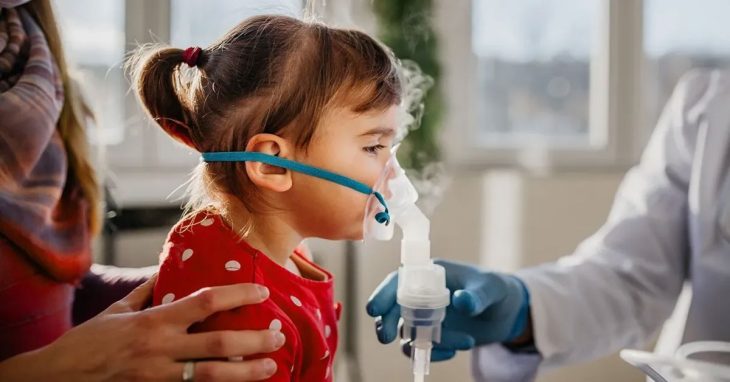
Respiratory tract infections are among the rapidly progressing health problems in infants. RSV Infections like these often begin in the upper respiratory tract.
What is RSV and what are its symptoms?
It can progress to the lower respiratory tract over time. This progression occurs more rapidly in some children. Symptoms become more pronounced in infants whose immune systems are not yet fully developed. Therefore, early detection is critically important. Families need to observe carefully.
In the early stages of the illness, a mild runny nose is usually observed. This is often mistaken for a simple cold. However, as the disease progresses, a cough begins. The cough gradually worsens. Wheezing may develop. In infants, the desire to feed decreases, sucking ability diminishes, sleep patterns are disrupted, and nighttime restlessness increases. These symptoms, when present together, warrant careful attention.
Fever occurs in some patients. However, some children do not experience fever. The absence of fever does not mean the illness is mild. Respiratory distress is among the most important findings. Difficulty breathing may be observed. Chest retractions may occur. Increased nostril movement is noticeable. These situations require urgent evaluation.
The last paragraph describes the monitoring of the disease. Families should monitor the symptoms regularly. Changes develop rapidly, especially in young children. If difficulty breathing is noticed, no time should be wasted. Health check-ups should not be delayed. During the diagnostic process... RSV This is a crucial factor. Early intervention reduces the risk of serious complications.
Methods of Preventing Respiratory Tract Infections in Children
Children's immune systems are still developing. Therefore, they are more susceptible to infections. Simple daily precautions can significantly reduce the risk of illness. Hygiene habits play a crucial role in this process. Hands should be cleaned regularly, especially after exposure to the outside environment.
Shared surfaces should be cleaned carefully. Toys should be disinfected frequently. Items that children put in their mouths should be checked. Crowded environments should be avoided as much as possible. Indoor spaces should be ventilated regularly. Fresh air supports respiratory health. These habits reduce the risk of infection.
Diet plays a crucial role in the immune system. Children who eat a balanced diet are more resistant to diseases. Foods rich in vitamins should be preferred. Sleep patterns are equally important. Sufficient sleep increases the body's resistance and supports physical development. This provides a protective effect against diseases.
The last paragraph explains the continuity of protection. Families should carefully plan their daily routines. Areas where children come into contact should be regularly checked. Risky situations should be identified in advance. Taking precautions should become a habit. During this process... RSV It is considered a significant risk factor. A preventive approach supports healthy development.
How is RSV transmitted and who is at risk?
Respiratory tract infections spread easily through contact. Transmission via droplets is particularly common. When an infected individual coughs, particles are released into the air and disperse into the environment. These particles quickly settle on surfaces. People who come into contact with these surfaces can become infected. Therefore, the transmission process progresses quite rapidly.
Infants are among the highest-risk group. Premature babies are at even higher risk. The disease is more severe in individuals with weakened immune systems. Children with chronic illnesses are also at risk. Careful monitoring is necessary, especially for individuals with lung disease. The course of the disease is more delicate in these groups.
The school environment accelerates the spread of infection. The risk increases as the time spent in enclosed spaces increases. Shared items strengthen the chain of transmission. Toys are among the frequently touched objects. Therefore, hygiene rules are of great importance. Protective measures should be applied regularly.
The last paragraph explains risk management. Families should closely monitor their children. Symptoms of illness should be detected early. Children in the risk group should be carefully monitored. Health check-ups should not be neglected. During this process... RSV It is a significant source of infection. Early intervention reduces the spread of the disease.
When Should Coughing and Wheezing in Babies Be Taken Seriously?
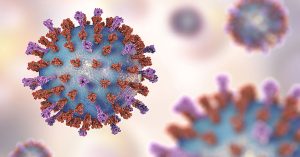
Coughing is common in babies. However, not every cough is harmless. A persistent cough requires attention. Wheezing is a serious symptom, indicating that the lower respiratory tract is affected. Therefore, early evaluation is crucial.
Difficulty breathing is an important warning sign. A retraction of the chest may be observed, indicating increasing respiratory distress. The baby may breathe rapidly, a symptom that parents may notice. Hearing sounds during breathing is another noteworthy finding.
Feeding difficulties may occur. The baby may not want to breastfeed. This leads to energy loss. Sleep patterns are disrupted. Frequent awakenings at night may occur. Restlessness increases. When these symptoms are considered together, the risk becomes clearer.
The last paragraph describes the intervention process. Families should not underestimate the symptoms. Respiratory problems, in particular, should be carefully monitored. Health support should be sought if symptoms worsen. Early assessment facilitates the process. One of the important causes of such conditions is... RSV It is known as... Timely intervention prevents serious problems.