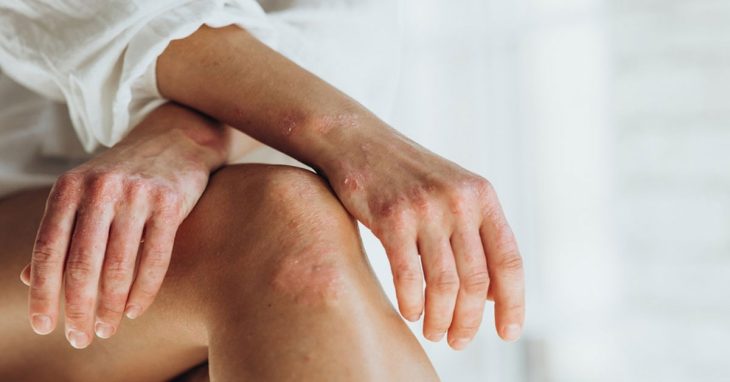
What is Psoriasis and What are its Symptoms?
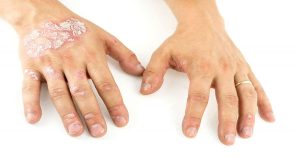
Chronic skin problems emerge at this point. These problems persist for a long time. Symptoms may worsen over time. Redness develops on the skin's surface. This redness is concentrated in certain areas. Flaking is noticeable. An itching sensation is bothersome.
Symptoms do not progress the same way in every individual. Some people experience mild symptoms, while others experience more severe effects. Thick plaques form on the skin. These plaques are hard. The elbow area is frequently affected. The knee area is also a common location. The scalp can also be affected. Changes can be observed on the nail surface. A pitted appearance may develop.
Daily life is affected by these symptoms. The itching sensation causes distraction. Visual changes reduce self-confidence. Social life can be negatively impacted. Therefore, early detection is important. Expert evaluation is necessary. An accurate diagnostic process facilitates treatment. Regular follow-up is beneficial.
The process becomes clearer in the final section. Symptoms should be carefully monitored. Early intervention is important. Healthy lifestyle habits provide support. Stress management is beneficial. Regular care is necessary. At this point... psoriasis The diagnosis is made through accurate assessment. With the appropriate approach, quality of life is preserved.
What are the treatment methods for psoriasis?
The treatment process proceeds according to a plan. Different methods are applied for each individual. Expert supervision is important. The first step is accurate diagnosis. This stage forms the basis of the process. Treatment options are varied. Cream treatments are commonly used. They soothe the skin surface, reduce itching, and lessen dryness.
Light therapy is preferred in some cases. This method is applied under controlled conditions. It supports skin regeneration and helps alleviate symptoms. Medication is necessary in certain situations. The immune system is targeted, thereby controlling symptoms. The process requires regular follow-up.
Biological treatments are applied to some individuals. This method is preferred in advanced cases. It is carried out under expert supervision. Regular follow-up is required. The treatment process is planned individually. Each person's situation is different. Therefore, a single method may not be sufficient.
Lifestyle changes support treatment. Diet is important. Healthy foods should be preferred. Water consumption should be increased. Sleep patterns should be maintained. Stress should be reduced. These factors positively influence the process.
In the final stage, the treatment approach becomes clearer. Patience is a key element. The process takes time. Regular check-ups are necessary. The treatment plan is tailored to the individual. Correct application is important. At this stage... psoriasis Management becomes more effective with expert control. This improves the quality of life.
Effective Methods for Protecting Skin Health
Skin health is a vital structure that needs to be protected. Daily care plays a major role in this process. Cleansing should be done regularly. Choosing the right products is important. Products suitable for your skin type should be preferred. Moisture balance must be maintained. Dryness weakens the skin structure.
Sun protection is an important step. Harmful rays have a negative impact on the skin. Using protective products is beneficial. Prolonged sun exposure poses a risk, so precautions should be taken.
Dietary habits directly affect skin health. Foods rich in vitamins should be preferred. Water consumption should be regular; sufficient water supports skin structure.
Stress management is a crucial factor. High levels of stress exacerbate skin problems. Rest is essential; maintaining a regular sleep schedule is important. These factors strengthen the skin's structure.
The final section highlights the prevention process. Regular care is important. The right habits should be developed. The skin should be checked regularly. Early awareness is crucial. A healthy lifestyle should be preferred. At this point... psoriasis The risk can be reduced with proper care. The skin structure becomes stronger.
How to Improve Quality of Life in People with Chronic Skin Conditions
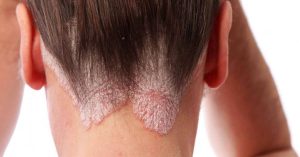
Chronic skin problems persist for a long time. This affects the quality of life. Symptoms may worsen from time to time. Therefore, the right approach is important. Daily life should be organized. Personal care should not be neglected.
Psychological support plays an important role in this process. Visual changes can affect self-confidence. Social life is also affected. Therefore, seeking support is beneficial. Family support facilitates the process.
Regular check-ups are important. Expert monitoring is necessary. The treatment plan should not be interrupted. This approach balances the process. Healthy habits provide support. Dietary routines should be maintained. Sleep patterns are important.
Physical comfort is also important. Itching should be reduced. The skin should be kept moisturized. Appropriate skincare products should be used. These steps will provide comfort.
The final section focuses on quality of life. Patience is important. The process takes time. The right methods must be applied. Personal awareness must increase. Regular follow-up must be maintained. During this process... psoriasis Life becomes more comfortable when managed correctly. The individual can continue their daily life more easily.