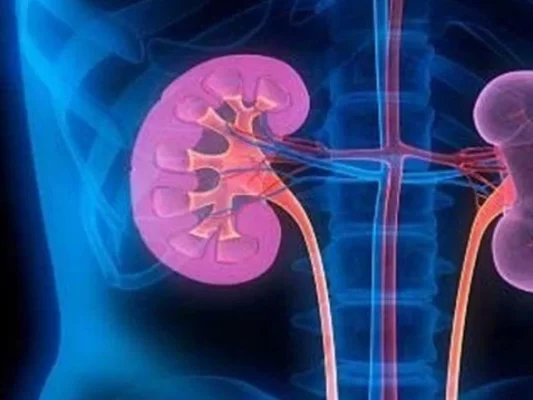
Proteins that leak out of cells or pass through the cell membrane into the circulation are proteins that should normally remain within the cell. This can occur as a result of damage or disruption to the cell membrane. Protein leakage It is sometimes called “improper protein secretion” or “incomplete proteolysis.”.

In some cases it may be normal, for example, it may occur as a byproduct of the normal activities of cells.
However, in some cases, it can indicate cell damage or infection. For example, high levels may be associated with certain medical conditions, such as kidney damage, liver disease, or infection.
It could be a sign of a serious medical condition, and in some cases, the following symptoms may occur:
- Foamy urine: If there is excess protein in the urine, the urine may become foamy.
- Swelling: If your body has protein leakage, you may experience swelling, especially in the ankles, hands, and face.
- Decreased urine output: May cause kidney damage, disrupt the normal functions of the kidneys, and cause decreased urine output.
- Fatigue: People often feel tired and their energy levels may be low.
- Weakness: Protein deficiency in the body can cause weakness.
- Excessive thirst: Protein leakage, can disrupt the normal function of the kidneys, affect the fluid level in the body and cause excessive thirst.
Treatment is designed to slow the progression of the disease or stop protein leakage. For example, treatment for diabetes may include medications to control blood sugar levels and protect the kidneys.

Kidney function also needs to be monitored. The effectiveness of medications and other treatments is monitored through kidney function tests. Additionally, an appropriate treatment plan is developed to protect the kidneys, along with treating any diseases that cause protein leakage.
In addition to medications used for treatment, a healthy lifestyle can also be helpful. A healthy diet, regular exercise, regular medical checkups, avoiding smoking and alcohol, and stress management techniques can help manage the diseases that cause protein leakage.
Especially in advanced stages of the disease, kidney failure may develop, and if not treated promptly, the risk of permanent kidney damage and kidney failure increases. As a result protein leakage, It can be a serious condition and a symptom of underlying diseases, so early diagnosis and treatment are important.