It's a nervous system disorder caused by the gradual loss of certain brain cells. This disease affects dopamine-producing cells, which control movement. Parkinson's disease treatment, While it cannot stop the progression of the disease, it does help control symptoms and improve patients' quality of life.
What are the symptoms and causes of Parkinson's disease?

It is a progressive movement disorder characterized by the loss of dopamine-producing cells in the brain. This condition causes a variety of symptoms that affect motor and cognitive functions. While the exact cause is unknown, a combination of factors is thought to play a role.
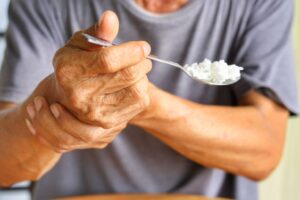
The most obvious symptom is tremors that begin in the hands or fingers. Stiffness and stiffness in movements are also observed in the arm, leg, or neck muscles.
The slowing down of daily movements and the increased time and effort required for simple tasks significantly impact a person's life. Balance problems and an increased risk of falls pose a serious safety risk.
A decrease in facial expressions and fewer facial expressions makes social interactions difficult. Speech becomes softer, faster, or more slurred, creating barriers to communication. Shrinkage and constriction of handwriting further hinder written communication.
The risk increases in individuals with a family history of Parkinson's disease. Exposure to or exposure to toxic chemicals increases the risk. It usually appears after age 60, and the risk increases with age.
The incidence of Parkinson's disease is slightly higher in men than in women. The exact cause of dopamine-producing brain cells deteriorating is unknown, but the primary cause is cell loss.
How is Parkinson's Disease Treated?
The goal of treatment is to control symptoms and improve patients' quality of life, as there is currently no known cure. Parkinson's disease treatment It requires a personalized approach and involves more than one treatment method.
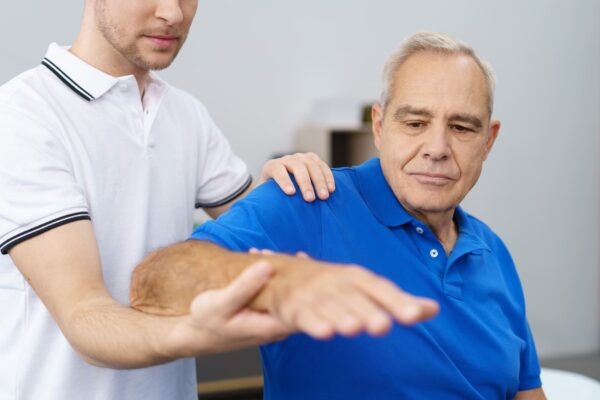
The most commonly used medications increase dopamine levels. They mimic the effects of dopamine in the brain. Physical therapy is important for improving mobility, balance, and coordination. It also helps prevent falls and increase muscle strength.
Some people with Parkinson's disease may have difficulty speaking or swallowing. Speech therapy can help manage these problems. Regular exercise is effective in managing symptoms. Exercise can improve muscle strength, flexibility, and balance.
Brain stimulation surgery is recommended for some advanced cases that don't respond to medication. Brain stimulation surgery uses electrodes placed in specific locations in the brain to deliver stimulation. Nutritional counseling, therapy, and social support can help improve quality of life. Some patients may benefit from alternative treatments such as yoga, tai chi, and meditation.
Recovery Process After Parkinson's Disease Treatment
Parkinson's disease treatment The post-operative recovery process focuses on one thing: managing symptoms and maintaining the patient's quality of life at the best possible level.
Treatment for Parkinson's disease focuses on relieving symptoms. Medication helps relieve both motor and non-motor symptoms.
Physical therapy helps patients maintain daily functions and independence for as long as possible. A healthy diet and regular exercise program support overall health and resilience. Stress management and adequate sleep are important.
It can be emotionally challenging for both patients and caregivers. Counseling, support groups, and family therapy support emotional well-being and help patients manage this challenge.
After procedures like surgery, patient recovery requires specialized care and monitoring. This includes healing the surgical site, adjusting electrodes, and adjusting medications.
Parkinson's disease requires monitoring and revision of treatment plans. Treatment needs may change over time, necessitating new treatment strategies.
Parkinson's disease treatment The post-operative recovery process requires a multifaceted approach, as it is essential to slow the progression of the disease, alleviate symptoms, and maximize the patient's quality of life.