
EMG is short for electromyography. Electromyography is a medical test that measures the electrical activity of muscles. This test is used to evaluate patients with symptoms such as muscle weakness, muscle spasms, numbness, and tingling. EMG test, It may also be useful in diagnosing and monitoring muscle problems caused by nerve damage.
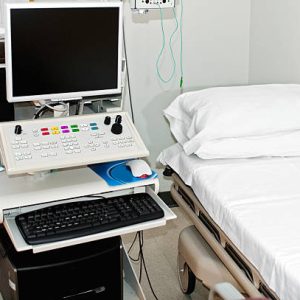
During the test, a needle electrode is inserted into the muscle. This needle electrode measures the muscle's electrical activity. The patient performs various movements using specific muscles, contracting and relaxing them. During these movements, the muscle's electrical activity is recorded and analyzed.
EMG test It may also include measuring nerve conduction velocity. During a nerve conduction test, an electrode is placed on the skin and electrical signals are sent along the nerve. This measures how fast these signals travel, and the results indicate the presence or absence of nerve damage.
It's often considered a painful test, but it usually only lasts a few minutes. The patient may experience mild discomfort during the test, but it's usually tolerable.
EMG test Results may be available from a few days to a few weeks after the test date. They are reviewed and interpreted by the doctor or specialist who performed the test.
Results may vary depending on the patient's symptoms, the data recorded during the test, and other factors. Based on the test results, your doctor may be able to identify the cause of your condition or may require further testing to monitor its progress.

Results are typically reported as "normal," "abnormal," or "limited abnormality." Normal results can vary depending on the patient's symptoms and other test results. Abnormal results indicate muscle or nerve damage, while limited abnormalities indicate minor problems or delays.
In conclusion, EMG test Test results may vary depending on the patient's symptoms and health status, and test results may help your doctor decide whether to diagnose or treat a disease.