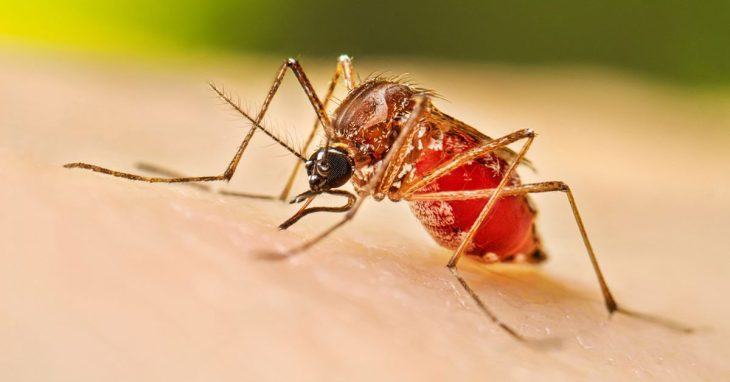
It is an infectious disease found in tropical regions. Dengue fever The disease is caused by a viral infection. This virus enters the human body through a mosquito bite.
What is Dengue Fever?

The virus enters the bloodstream. The body's immune system begins to fight the infection. During this process, a high fever may occur. Headaches may develop. Muscle aches may be felt. Difficulty moving joints may be experienced. Skin rashes may appear. A feeling of weakness may persist for days. Some people experience loss of appetite. Some people may experience nausea. The illness usually becomes apparent within a few days. High fever is noticeable in the first few days. The fever may last for several days. Later, body aches become more pronounced. Intense muscle pain may be felt.
Difficulty may be felt during joint movements. For this reason, it is also called fracture fever in some regions. Because the pain can be quite severe. Redness may be seen on the skin. The rash may last for a few days in some people. The disease resolves within a few weeks in most people. People with strong immune systems may experience a milder form of the disease. In some people, more severe symptoms may develop. In this case, hospitalization may be necessary. Dengue fever It is a viral infectious disease transmitted by mosquitoes. This disease poses a significant health problem in communities living in tropical regions.
What Causes Dengue Fever?
The disease is caused by a virus known as the dengue virus. This virus is transmitted to humans through mosquito bites. Aedes mosquitoes, in particular, play a role in the spread of the disease. These mosquitoes are abundant in warm climates. Their reproduction rate increases in humid regions. A mosquito bites a person carrying the virus. When it then bites another person, the virus is transmitted to the new person. In this way, the disease can spread within a community. Transmission does not occur through direct contact between people. Transmission requires mosquito transmission. Warm climates increase the number of mosquitoes. Heavy rainfall increases mosquito breeding grounds. Areas with stagnant water pose a risk. Water accumulating in open containers creates a suitable environment for mosquito larvae.
Therefore, the disease is more common in some regions. Urbanization can also increase the risk. Crowded living spaces can increase the rate of transmission. Travel mobility can cause the disease to spread to different countries. People visiting tropical regions may carry the infection. Transmission can occur in areas where mosquitoes are present. The immune system begins to fight the infection. During this process, fever rises. The body's defenses try to bring the virus under control. Dengue fever It is an infection that develops as a result of a mosquito bite carrying a virus. Therefore, mosquito control is an important step in preventing the disease.
What are the symptoms?
The first symptom of the illness is often a sudden high fever. The fever may remain high for several days. Headaches can be quite severe, especially behind the eyes. Intense muscle pain may occur. Difficulty moving joints may be experienced. This can affect daily life. A feeling of weakness may persist throughout the day. Fatigue becomes pronounced. Appetite may decrease. Nausea may develop in some people. Vomiting may occur. Red rashes may appear on the skin.
The rash becomes noticeable within a few days. Some people may experience skin sensitivity. Swollen lymph nodes may be observed. Some patients may experience mild bleeding symptoms. Gum bleeding may occur. Nosebleeds may develop. In rare cases, the disease may be more severe. In this case, the risk of bleeding may increase. Severe fatigue may develop. Abdominal pain may occur. Medical evaluation is necessary if these symptoms are observed. Early diagnosis makes it easier to control the disease. Dengue fever Symptoms may include high fever, headache, muscle aches, and rash. Seeking medical attention is crucial if these symptoms occur.
How is it treated?

There is no specific antiviral treatment for this infection. The treatment approach is generally supportive care. Patients are advised to rest. Adequate fluid intake is important; body fluid balance must be maintained. Some medications may be used to control fever. These medications should be used under a doctor's prescription. Patients need to be monitored regularly. High fever may persist for several days. Rest is important during this period. Pain complaints may occur; in this case, pain control can be provided.
Patients can usually recover with rest at home. However, hospital monitoring may be necessary in some cases. The treatment plan may change, especially in individuals with dehydration. Doctor's supervision is important. Blood values can be monitored. Potential complications can be detected early. In severe cases, observation in the hospital may be necessary. Fluid therapy may be administered during this process. The patients' general condition is monitored regularly. Dengue fever Treatment often involves rest, fluid support, and medical monitoring. Proper monitoring helps ensure a safe recovery from the illness.