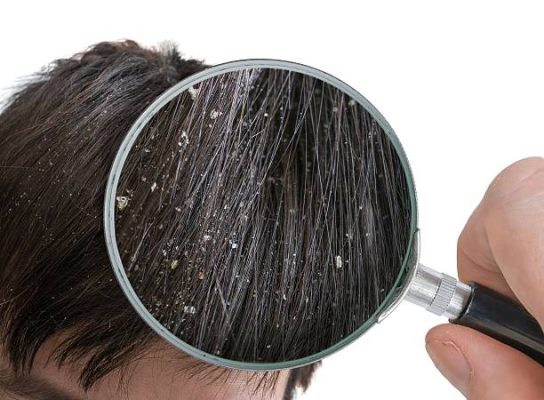
The scalp is normally composed of cells that are constantly renewed, but sometimes these cells are produced in excess. Because of these cells, dead skin cells accumulate, appearing as white or gray flakes on the scalp. dandruff problem would be created.
This condition is often accompanied by a dry and itchy scalp. Dandruff problem It can occur as a result of a combination of many factors. These factors may include:
- Malassezia fungus: An overgrowth of this fungal species, normally found on the scalp, can cause dandruff.
- Oily skin: When the scalp is oily, dead skin cells can clump together more easily, leading to dandruff.
- Dry skin: Overdrying the skin can cause dead skin cells to clump together more easily, leading to dandruff.
- Hair products: Some hair products can cause scalp irritation and contribute to dandruff.
- Nutrition: Nutritional deficiencies, especially zinc and B vitamins, can increase the risk of dandruff.
- Stress: Stress can affect scalp health. Stress can increase oil production in the scalp and cause dandruff.
- Scalp diseases: Some scalp diseases can lead to dandruff.
Suggestions for Dandruff Problems
- Moisturize your scalp: To prevent your scalp from getting dry, do not wash your hair frequently and use natural oils to moisturize your scalp.
- Use natural shampoos: Shampoos containing chemicals can irritate the scalp. Therefore, using natural shampoos can prevent dandruff.
- Pay attention to your diet: A healthy diet is important for hair and scalp health. Consuming nutrients like omega-3 fatty acids can help moisturize your scalp.
- Clean your scalp: Cleansing your scalp regularly can prevent dandruff.
- Consult your doctor: For severe dandruff problems, it is important to consult a dermatologist.
Most of the time dandruff problem ,Dandruff can be treated at home with special shampoos or hair care products. However, if dandruff becomes chronic or occurs alongside other skin problems, consulting a dermatologist or hair specialist is the best course of action.