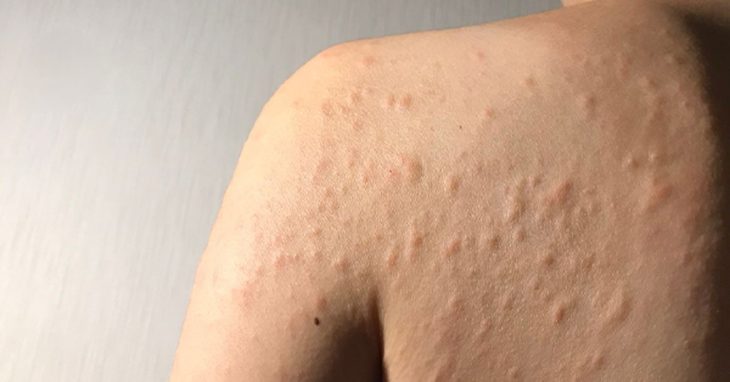
The immune system works to protect the body. In some cases, harmless substances are perceived as a threat. Allergy sufferers This creates an unnecessary defensive response. Pollen, dust mites, animal dander, and food items are among the common triggers.
What are allergies and how do they develop? (For allergy sufferers)

The body releases certain chemicals after contact with these substances. These chemicals cause various symptoms. Each individual's sensitivity is different. The same substance may have no effect on some people, while others develop noticeable reactions.
This condition may be related to genetic predisposition. A family history of similar symptoms increases the risk. Environmental factors also play a role. Air pollution, indoor conditions, and lifestyle all influence the process.
Factors encountered at an early age shape the immune system. Therefore, childhood is crucial. The body's responses can change over time. Some sensitivities may decrease with age, while others may be permanent.
This is not just a simple matter. It can reduce the quality of daily life. It can affect sleep patterns. It can lead to concentration problems. Work efficiency can decrease. Social life can be restricted. Therefore, the symptoms should be taken seriously. Early awareness facilitates the process. With the right approach, control can be achieved.
Reactions can be mild. In some cases, a severe course can occur. Runny nose, sneezing, and watery eyes are common. Skin redness and itching may develop. Serious symptoms such as shortness of breath may occur. In these cases, rapid intervention is necessary. Some conditions can be life-threatening. Therefore, at-risk individuals should be careful.
Managing this process requires awareness. Identifying triggers is important. Avoiding these triggers is a fundamental step. Organizing living spaces is beneficial. Cleaning habits should be reviewed. Outdoor activities should be planned. Protective measures facilitate the process.
Ultimately, accurate information guides the process. Early awareness provides a significant advantage. Allergy sufferers To maintain quality of life, one must act consciously. This approach provides comfort in the long run. Regular follow-up is important.
What are the symptoms?
Symptoms vary from person to person. Reactions differ depending on the substance exposure. The most common symptoms include a runny nose. Constant sneezing may occur. Redness in the eyes develops. Itching increases. This makes daily life difficult. Complaints increase especially during seasonal changes.
Changes on the skin are noticeable. Redness and swelling may occur. Itching may intensify. In some cases, a rash develops. This increases the feeling of discomfort. Skin sensitivity increases. Substances that come into contact with the skin can trigger a reaction. Therefore, the products used are important.
Respiratory system conditions can be more serious. Breathing may become difficult. A feeling of tightness in the chest may occur. Coughing may worsen. Wheezing may be observed. This condition can progress if left unchecked. Therefore, caution is advised.
The digestive system can also be affected. Stomach pain develops after consuming certain foods. A feeling of bloating occurs. Nausea may be experienced. This condition is related to diet. The ingredients of foods should be checked. Risky substances should be avoided.
Symptoms may start mildly and worsen over time. Therefore, early detection is important. Recurring symptoms should be taken seriously. Complaints that resolve on their own can be misleading; the underlying cause should be investigated.
Correctly interpreting the symptoms facilitates the process. An appropriate plan is determined. Quality of life is preserved. Allergy sufferers By monitoring the symptoms, the process can be managed better. Regular check-ups are important. Necessary precautions should be taken.
Allergy Treatment Methods
Treatment is planned individually. Each person's sensitivity is different. Therefore, there is no standard approach. The first step is identifying triggers. Avoiding these substances is important. Daily habits are reviewed. Environmental conditions are adjusted. This step forms the basis of the process.
Medication is a frequently used method. Medications that reduce symptoms provide relief. Nasal products can be effective. Eye drops may also be an option. These products help control symptoms. Regular use is important. It is recommended to follow expert advice.
Immune-based therapies offer a long-term solution. Over time, the body becomes less reactive to the trigger. This process requires patience, but effective results can be achieved. They are preferred in suitable individuals.
Natural methods can be supportive. Fresh air is important. The home environment should be cleaned regularly. Items that collect dust can be reduced. Diet should be reviewed. Healthy lifestyle habits positively influence the process.
Regular follow-up is necessary during the treatment process. Symptoms should be monitored. The plan is updated as needed. Self-medication is not recommended. Expert supervision is important. This approach reduces risks.
This situation can be brought under control. With the right methods, quality of life can be preserved. Allergy sufferers The patient must actively participate in the treatment process. A conscious approach increases the chances of success. Consistency is important.
For allergy sufferers, what should living with allergies be like?

Some habits need to change in daily life. A clean living space is important. The house should be ventilated regularly. Dust accumulation should be reduced. Bedding should be washed frequently. These measures will reduce complaints.
Dietary habits should be reviewed. Risky foods should be identified. The habit of reading food labels should be developed. Caution should be exercised when eating out. This approach prevents potential problems. Planning ahead is important.
Outdoor activities should be carefully planned. Going outside can be limited on days with high pollen concentrations. Wearing a mask is beneficial. Sunglasses are also an option. These simple precautions make a big difference.
Exercising is beneficial. However, the right environment should be chosen. Air quality is important in enclosed spaces. Excessive exertion can worsen symptoms. Movement should be balanced. Body signals should be taken into account.
Stress management is important. Stress affects the immune system and can worsen symptoms. Sufficient rest is essential. Maintaining a regular sleep schedule is crucial. These factors support overall health.
This process requires discipline. The right habits make the process easier. Allergy sufferers People should make conscious choices in their daily lives. This approach provides comfort and, in the long run, makes a healthy life possible.