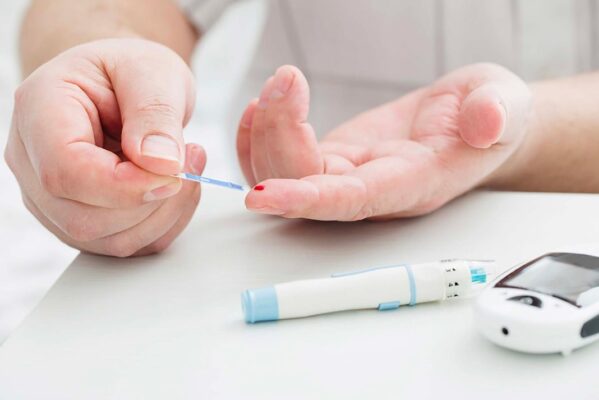
Chronic metabolic disease in which the body has trouble regulating blood sugar levels diabetes It's called diabetes. It's characterized by elevated blood glucose levels due to a lack or ineffective insulin. High blood sugar can cause damage to organs such as the heart, kidneys, eyes, and nerves. Treatment may include diet, exercise, and medications.
What are the symptoms of diabetes?
It causes a constant thirst and a dry mouth. Frequent urination and waking up at night to urinate, hunger, feeling full after meals, and some people may also experience loss of appetite. Weight loss occurs without any change in diet or exercise. It causes a feeling of lack of energy. It can also cause temporary or permanent blurred vision. Long-term high blood sugar can cause nerve damage. Urinary tract, skin, or other infections can recur frequently.
diabetes Symptoms include cuts, bruises, or wounds that may take longer to heal. Pain in the stomach or abdominal area. Breath may have a sweet or acetone-like odor. Any one or more of these symptoms may vary from person to person. Diabetes is diagnosed through blood sugar tests, and initiating appropriate treatment is important for controlling the disease.
What Causes Diabetes?
 A family history can increase the risk of diabetes. If a family member has the disease, an individual may be at higher risk of developing the disease. This autoimmune reaction prevents the body from producing insulin. It occurs when the body becomes resistant to the insulin hormone. Cells cannot use insulin properly, disrupting blood sugar regulation. Inadequate physical activity, obesity, an unbalanced diet, and excessive glucose consumption are among the causes of the disease.
It's a type of diabetes that occurs during pregnancy, called gestational diabetes. Certain hormones and medical conditions can also increase the risk of developing the disease. Other health issues, such as chronic stress, inadequate sleep, high blood pressure, and high cholesterol levels, also increase the risk. It typically develops as a result of the interaction of multiple factors, with genetic predisposition and lifestyle factors playing a significant role. diabetes To reduce the risk of heart disease, it is important to adopt a healthy lifestyle, eat a balanced diet, increase physical activity and have regular health checks.
Is There a Treatment?
There are treatments available. It can vary depending on the type and severity. There are two main types of diabetes. Individuals with type 1 diabetes may need to inject insulin regularly or use a pump throughout their lives. This is necessary to control blood sugar levels when the body cannot produce insulin. For type 2, individuals are advised to adopt a healthy diet, increase physical activity, and maintain weight control.
For some patients with type 2 diabetes, doctors may prescribe oral antidiabetic medications. These medications can help regulate blood sugar. Treatment not only helps control diabetes but can also help prevent or delay complications. It's important for patients to stay in regular contact with their doctors and stick to their treatment plan.
How is the healing process?
 It's a chronic condition and cannot be cured. However, it's possible to control diabetes and manage symptoms. It's important to eat healthy foods like high-fiber foods, whole grains, vegetables, fruits, and low-fat protein sources. It's also helpful to balance carbohydrate intake and plan meals. Regular physical activity can help manage body weight and improve insulin sensitivity. Aim for at least 150 minutes of moderate-intensity aerobic exercise per week.
It's important for people with type 2 diabetes to take their doctor-prescribed medications regularly. Those with type 1 diabetes should receive insulin therapy. It's important to follow the dosages correctly. Adapting your own treatment plan and preventing blood sugar fluctuations will help you maintain control. diabetes Regular doctor visits and checkups are important for diabetes management. Stress can affect blood sugar. Using appropriate techniques is important for diabetes management. Quitting smoking, avoiding alcohol, and adopting a healthy lifestyle can help manage diabetes.