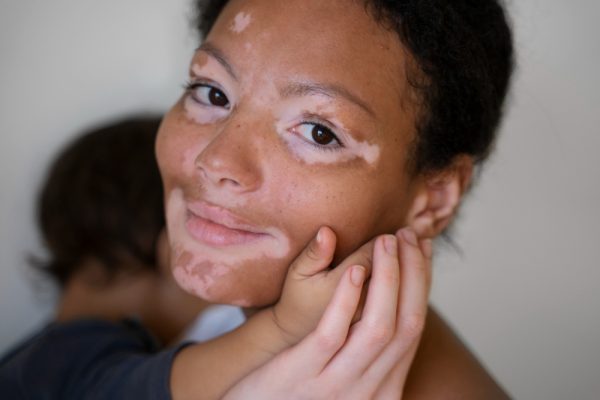
A skin disease that causes loss of pigment cells called melanocytes in the skin, hair, eye color and mucous membranes. vitiligo disease Melanocytes are cells that produce the pigment melanin in the skin, which provides color to the skin, hair, and eyes. It is characterized by the appearance of white, light-colored patches on the skin in various parts of the body. These patches usually appear symmetrically and can appear at any age. While the exact cause of the disease is unknown, it is considered an autoimmune disease. In autoimmune diseases, the body's immune system attacks cells and tissues that normally respond to harmful foreign substances.
Who is Affected by Vitiligo?
 This disease can develop for various reasons, including genetic predisposition, autoimmune disease, stress, and environmental factors. Information on who is affected by it includes:;
It can occur at any age, from childhood to old age.
It can occur in any race, but may be more noticeable in people with lighter skin.
In family members vitiligo disease The likelihood of developing the disease increases in people with predisposition to it, suggesting a genetic predisposition.
It may be linked to autoimmune diseases and is more common in people with autoimmune diseases. In some cases, it can develop after severe stress or trauma.
It may occur more frequently in areas exposed to the sun.
Any white patches on the skin should be examined by a dermatologist to diagnose vitiligo. It's important to note that most people with this condition live completely normal, healthy lives. However, for some people, the condition can cause psychological distress due to the discoloration of their skin. Therefore, providing treatment and support is crucial.
What are the Treatment Methods?
 This skin condition is treatable, but it is not completely curable. Treatment may vary depending on the severity of the condition, the extent of the spots, and the patient's overall health. Treatment options include:
Topical treatments: It's treated with creams, lotions, or ointments applied to blemished areas of the skin. The goal of these treatments is to even out skin tone and stimulate pigment production in depigmented areas.
Phototherapy (light therapy): It is used to increase the activity of melanocytes by applying ultraviolet (UV) rays to blemished areas of the skin.
Oral medications: Oral corticosteroids and immunosuppressive drugs may be used in some types of the disease.
Skin transplantation: Small patches of vitiligo can be covered with skin scraps taken from intact pigmented areas of the skin.
Micropigmentation (tattoo): In cases where the disease is widespread, color correction can be attempted by injecting tattoo pigments that match the skin color into the affected areas.
An important point to remember is, vitiligo disease Treatment can be a long and patient process. Each patient may experience different results, and some treatments may be more effective than others. In addition to treatment, precautions such as sun protection and protecting your skin from irritants are also important.