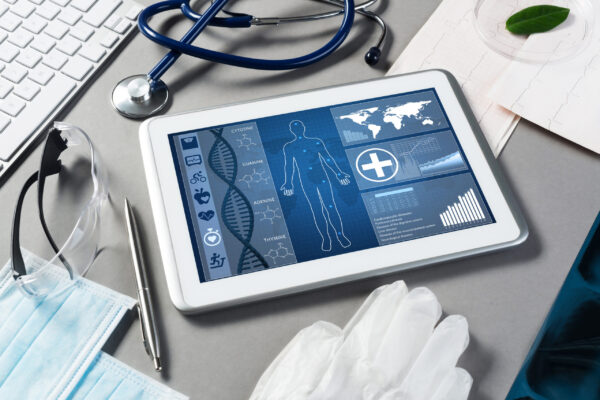
It is a system that enables the collection, storage, management and sharing of medical data. Health information system, It electronically stores health-related data such as hospital records and treatment history. It provides healthcare professionals with up-to-date and easy access to monitor patient treatment progress. It increases the efficiency of healthcare services and improves patient care.
How Does the Health Information System Work?
 Health information system, provides a data entry interface where you can record patient information. This includes patients' medical histories, symptoms, diagnoses, treatments, and other relevant information. Data entry can be performed by healthcare professionals or automated, such as lab results or data from medical devices. The entered data is stored securely. This is typically done using a database management system (e.g., an SQL-based system).
Data storage is structured to organize and easily access different types of data. This system performs various operations on the recorded data, including report generation, patient tracking, and drug interaction monitoring. These operations are typically performed through software applications or specialized algorithms.
It controls access to certain data by healthcare professionals and authorized personnel. This is important to meet privacy and security requirements. Different user roles and permission levels are established, ensuring that only authorized individuals have access to specific information. It includes security measures to protect sensitive healthcare data. This may include data encryption, firewalls, authentication systems, and other security measures.
It is designed to provide integration between different healthcare organizations and different healthcare information technology systems. This can improve the coordination of patient care and the efficiency of healthcare services. Health information system, They enable more effective management of healthcare services. They also enable improved patient care and better analysis of healthcare data. These systems can increase efficiency and improve patient safety in the healthcare sector.
What are the Advantages of Health Information System?
It collects, stores, and analyzes vast amounts of healthcare data. This data helps healthcare professionals make data-driven decisions, such as epidemiological analyses or the development of treatment protocols. Accessing health information through Electronic Health Records and other components is faster and easier. This allows healthcare providers to access patient records more quickly and efficiently.
It facilitates communication among different healthcare providers and helps coordinate patient care. This ensures a holistic approach to patient care and prevents misunderstandings or duplicate tests. Using electronic records reduces processing time and office storage space compared to paper-based systems. Furthermore, reducing repeated tests and procedures can reduce costs.
Unlike handwritten records, electronic health records tend to contain fewer errors. Readability and consistency reduce the likelihood of errors. Health information system, has advanced security measures in place to protect patient information. This helps prevent unauthorized access and safeguard sensitive health information.
It supports services such as remote care and consultations. This ensures effective communication and care between patients and doctors, especially in remote or hard-to-reach areas. These advantages help improve the efficiency and quality of healthcare. However, ensuring appropriate infrastructure, training, and security measures are crucial for these systems to succeed.
Who Uses the Health Information System?
 It's used by doctors, nurses, dentists, pharmacists, and other healthcare professionals. It's also used by hospitals, clinics, and other healthcare organizations to manage patient health records. It's also used to schedule appointments, handle billing, and manage other processes.
Health insurance providers use it to process patient insurance claims. Public health agencies use it to manage public health programs, conduct disease surveillance, and epidemic prevention activities. They use it to establish health policies and monitor the quality of healthcare. Patients use it to review their health records, renew prescriptions, and manage their access to healthcare.
There are software and technology companies that develop, implement, and support the system. These companies provide these systems to healthcare organizations and ensure their efficient operation. These groups leverage the advantages and diverse aspects of the Health Information System. They collaborate to ensure the systems operate effectively and efficiently.

