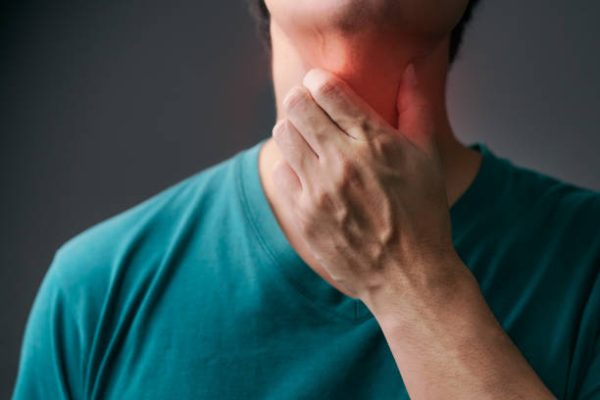
It is an uncomfortable symptom that occurs due to irritation or inflammation in the throat area. Sore throat symptoms It can be caused by many reasons such as infections or bacterial infections.

Pain symptoms may include a sore or irritated throat, difficulty swallowing, a dry cough, fever, runny nose, headache, and fatigue. Sometimes it goes away on its own within a few days, but in some cases, treatment may be necessary.
Sore Throat Symptoms and Causes
*Viral Infections: Viral infections such as infectious mononucleosis, colds, and flu can cause a sore throat.
*Bacterial Infections: Bacterial infections such as streptococcal throat infection, tonsillitis and diphtheria can also be the cause.
*Allergies: Allergens such as pollen, house dust, pet dander, and mold can irritate the throat, causing pain and itching.
*Overuse of the Throat: Activities such as talking, shouting or singing can tire the throat and cause pain.
*Smoking: It can irritate the throat, causing sore throat and cough.
*Sinus Infections: This can cause a sore throat when the discharge from the back of the sinuses flows into the throat.
*Acid Reflux: This can cause a sore throat as stomach acid flows back into the esophagus and irritates the throat.
*Dry air: It can irritate the throat, causing sore and dry throat.
Good Medicines for Sore Throat
*Paracetamol: Paracetamol, which has pain-relieving and fever-reducing properties, is a good option for mild sore throat.
*Ibuprofen: With its anti-inflammatory properties, ibuprofen can help relieve sore throat.

*Benzocaine: Benzocaine, a local anesthetic, is used to relieve sore throat pain. It is available as a lozenge or spray.
*Antiseptic gargle: An antiseptic gargle can be used for sore throats caused by throat infections. Gargles help clear the throat and prevent infection.
*Echinacea: The herb Echinacea helps boost the immune system and may help relieve sore throat symptoms.
Sore throat symptoms, They can also vary depending on the cause of the infection. These symptoms are usually mild to moderate and resolve on their own within a few days. However, if symptoms are severe or do not improve within a few days, you may need to consult your doctor.

