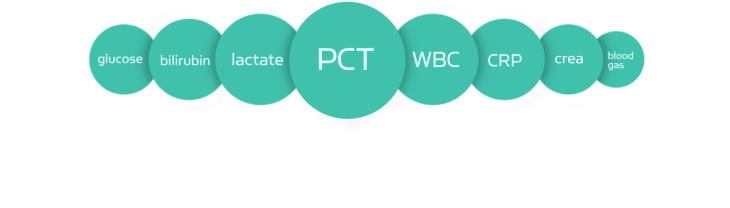
PCT is an abbreviation for “platelet critcal microparticles” and is a parameter used to measure the level of procalcitonin (PCT), a protein secreted by platelets.
PCT can be used in conjunction with other platelet parameters such as PLT (platelet) count and MPV (mean platelet volume) to provide information about platelet functions and bleeding disorders.
PCT Value
PCT values are measured during blood tests and are often used to diagnose serious infections such as infectious diseases, sepsis, pneumonia, and meningitis.
PCT can also be used to monitor infections during medical treatment and can help assess response to treatment. PCT measures the percentage of platelets in total blood volume.
A normal PCT value should generally be between %0.15 and %0.40. A higher value means the number of platelets is increased, making the blood more likely to clot.
A low platelet count means that the number of platelets has decreased and bleeding may occur more frequently.
PCT is present at very low levels under normal conditions but increases during inflammatory conditions, such as bacterial infections. PCT levels are directly proportional to the severity of the infection.
A high PCT level may be a sign of a serious infection. High PCT levels may indicate suspected bacterial infections and may require further evaluation and treatment.
PCT values can vary depending on your specific disease state and the laboratory's reference range. Your doctor will help you interpret your PCT test results.
PCT value It alone does not provide a definitive diagnosis of the presence or severity of infection and should be evaluated together with other clinical findings and test results.

