
Cardiology is the branch of medicine that deals with the diagnosis, treatment and prevention of cardiovascular system diseases. Cardiology department It covers many cardiovascular diseases such as heart attack, coronary artery disease, heart failure, hypertension (high blood pressure), heart valve diseases, heart rhythm disorders, congenital heart diseases, and peripheral artery disease.

Follow-up for cardiology patients can vary depending on the type of disease and the patient's condition. However, in general, a cardiologist's patient requires regular follow-up and treatment. Regular follow-up allows for monitoring the course of the disease, early detection of potential complications, and more effective treatment.
Cardiology department Patient follow-up may include the following steps:
- Regular patient checkups: A cardiologist performs periodic checkups to monitor the patient's cardiovascular health. These checkups may vary depending on the patient's symptoms and medical history.
- Testing: Cardiology patients undergo heart-related tests. These tests may include an electrocardiogram (ECG), stress test, echocardiography, magnetic resonance imaging (MRI), computed tomography (CT), and coronary angiography.
- Medication: Depending on the patient's condition and the type of disease, a cardiologist may prescribe medication. These medications may be used to lower blood pressure, regulate heart rate, or manage other symptoms of heart disease.
- Diet and lifestyle changes: Cardiology patients can maintain their heart health by making dietary and lifestyle changes. A cardiologist can help by recommending a healthy diet and exercise program.
- Routine follow-up: Regular follow-up, as recommended by a doctor, helps keep the disease under control. These follow-ups may vary depending on the patient's symptoms and medical history.
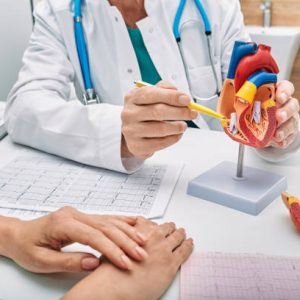
Cardiology department, Cardiology departments should monitor their patients' health using a patient tracking program because it plays a crucial role in the management and treatment of cardiovascular disease. Here's why cardiology departments should use a patient tracking program:
- More effective and efficient patient tracking: The patient tracking program allows you to easily track patients' medical history, symptoms, treatments, and test results. This helps cardiologists more effectively monitor their patients' health and better manage their treatment plans.
- Reduces errors: A patient tracking program prevents manual file and record keeping errors. This ensures access to accurate and up-to-date data, allowing you to make informed decisions about your patient's treatment plan and condition.
- Optimizes treatment: A patient follow-up program ensures that the patient's treatment plan is monitored and adjusted as needed. This helps optimize patient treatment and improve outcomes.
- Risk Factor Management: A patient monitoring program helps monitor and manage risk factors for cardiovascular disease. Cholesterol levels, blood pressure, blood sugar, and other risk factors are regularly monitored, and appropriate action is taken.
- Increases collaboration: A patient follow-up program increases communication and collaboration between cardiologists and other healthcare professionals. This allows for better coordination of the patient's treatment plan.
In conclusion, cardiology department Using a patient monitoring program can help cardiology departments better monitor their health, optimize treatment plans, and manage risk factors for cardiovascular disease. Therefore, it's important for cardiology departments to utilize a patient monitoring program.

