
What is ALS and how does it develop?
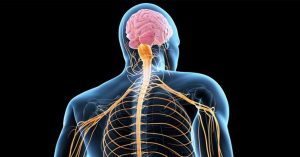
Cells called motor neurons are fundamental to this process. These cells transmit messages to the muscles. When these cells are damaged, communication is interrupted. The muscles cannot receive commands. This leads to a loss of strength over time. Initially, small changes are noticed. Dexterity decreases. Holding objects becomes difficult. Writing becomes difficult.
The disease progresses slowly. In some individuals, the process may progress more rapidly. This depends on individual differences. Genetic makeup may play a role. Environmental factors can also influence the process. However, the exact cause is often unclear. This uncertainty makes understanding the disease difficult.
As time progresses, muscles begin to atrophy. Loss of strength increases. Daily activities become difficult. Walking balance deteriorates. The person moves less. This accelerates muscle loss. As the process progresses, quality of life decreases.
In the final stage, the respiratory muscles are affected. Breathing becomes difficult. This situation poses a life-threatening risk. The treatment process does not guarantee complete recovery, but aims to slow the progression of the disease. At this stage... ALS The definition stands out. This disease is considered a progressive nervous system disorder.
The Impact of Muscle Strength Loss on Daily Life
Muscle strength is one of the fundamental building blocks of human life. Humans walk, sit, stand, and perform daily tasks. This process is only possible with healthy muscle function. When muscle strength decreases, this system is disrupted, and daily life becomes more difficult.
The initial symptoms are usually mild. It becomes difficult to carry objects. Opening doors becomes challenging. Writing becomes tiring. This condition worsens over time. The person experiences more difficulty and needs help. This process also has psychological effects.
Walking becomes difficult. Balance is lost. Climbing stairs becomes difficult. The risk of falling increases. This reduces the person's self-confidence. Participation in social life decreases. The person may prefer to be alone more. This creates a mental burden.
Speech muscles can also be affected. Words become unclear. Communication becomes difficult. People struggle to express themselves. This negatively impacts social relationships. Even daily communication becomes challenging.
In the later stages, independent living becomes difficult. The person needs support. This process is challenging for both the individual and the family. At this point... ALS Its effects become more pronounced. This disease creates a serious condition affecting all areas of life.
ALS Symptoms and Progression
Symptoms often begin slowly. It can be difficult to notice in the early stages. Weakness in fine motor skills is observed. Hand tremors may occur. Holding objects becomes difficult. This condition progresses over time.
Speech changes occur. Tone of voice changes. Words may become unintelligible. This makes communication difficult. Difficulty swallowing may develop. Eating becomes difficult. This has an impact on overall health.
Muscle wasting becomes noticeable. Loss of strength increases. Walking becomes difficult. Balance is lost. Daily activities are limited. The person moves less. This accelerates muscle loss.
As the disease progresses, different muscle groups are affected. Arm muscles are affected. Leg muscles are affected. Trunk muscles are affected. In the final stage, the respiratory muscles weaken. Breathing becomes difficult. This poses a serious risk.
The final stage is a critical period. Life support may be required. The process must be carefully monitored. This is a progressive condition. ALS It is defined as such. This disease gradually affects the entire body system.
Diagnostic Process in Nervous System Diseases
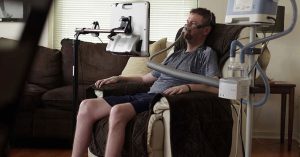
The diagnostic process requires careful attention. First, the symptoms are evaluated. The doctor performs a detailed examination. Muscle strength is checked. Reflexes are examined. This stage is important for the initial diagnosis.
Various tests are conducted. Nerve conduction tests are performed. Muscle structure is examined. Imaging techniques are used. These tests are done to rule out similar diseases, because many diseases can present with similar symptoms.
The diagnostic process can take a long time. It takes time to get a clear result. The patient's history is reviewed. The onset of symptoms is assessed. Family history is investigated. This information supports the diagnosis.
Genetic testing is sometimes performed. These tests reveal risk factors, but they don't always provide definitive results. Therefore, clinical evaluation is crucial. The doctor's experience is vital in this process.
In the final stage, all the findings are brought together. This is how the diagnosis is clarified. The process requires patience. At this stage... ALS The expression is used. Early diagnosis allows for better management of the process.