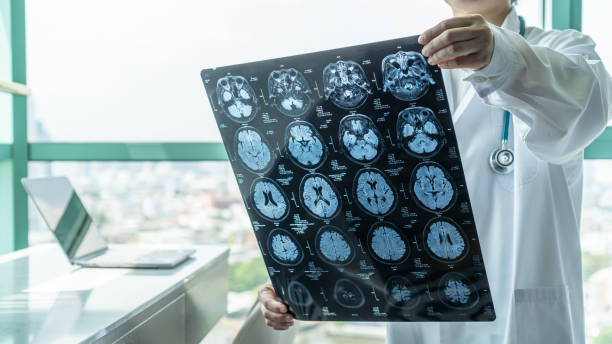
It can be defined as a medical branch specializing in the diagnosis, treatment and follow-up of nervous system diseases. Department of Neurology Neurosurgery specialists deal with dysfunctions, diseases and injuries of organs related to the nervous system, such as the brain, spinal cord, nerves and muscles.
Diseases of the Department of Neurology
Neurological diseases include a variety of conditions such as stroke, epilepsy, migraine, Parkinson's disease, Alzheimer's disease, Multiple Sclerosis, muscle diseases, neuropathies, brain tumors and traumatic brain injuries.
Neurologists use a variety of methods to diagnose diseases, including physical examinations, neurological tests, radiologic examinations, electrophysiological tests, and laboratory tests. Treatment options include medication, rehabilitation therapy, surgery, and a variety of other treatments.
A neurologist diagnoses and treats neurological disorders. After graduating from medical school, neurologists receive additional training to specialize in neurology. Department of Neurology It also includes sub-branches such as neurophysiology, neuroradiology and neuropsychology.
Neurologists help treat patients by collaborating with other medical specialists such as neurosurgeons, psychiatrists, physical therapists, radiologists, and oncologists.
Patients with neurological disorders may be referred to a neurologist from their primary care facility, depending on the severity of their symptoms. Patients may present to the department based on their symptoms.
It has an important role by dealing with the execution, treatment and follow-up of the nervous system and is extremely important for a healthy society.
Generally, patients with complaints such as headache, dizziness, seizures, difficulty speaking, memory loss, coordination disorder, neurology department are examined in the section.

