
Glaucoma is an eye disease that causes vision loss by damaging the optic nerve due to high intraocular pressure. Symptoms of glaucoma It is often not noticed in the early stages of the disease and can cause vision loss over time.
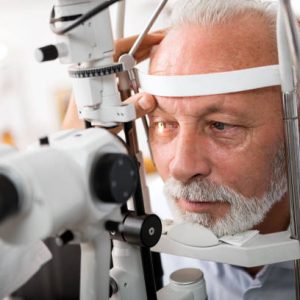
Blockages in the eye's natural drainage pathways or overproduction of fluid can increase intraocular pressure, which can put pressure on the optic nerve and cause damage. Therefore, regular eye checkups are crucial for early diagnosis of glaucoma.
What are the symptoms of eye pressure?
Symptoms may include:
- Blurred or hazy vision
- Eye pain
- Redness
- Headache
- Sensitivity to light
- Feeling of discomfort in the eye
- Loss of peripheral vision (loss of side vision)
Eye Pressure Treatment
Symptoms of glaucoma, These are early warning signs that can help prevent the disease from progressing. Treatment for glaucoma aims to reduce intraocular pressure to prevent optic nerve damage and halt vision loss. Treatment options may include:
- Eye drops: These are the most commonly used medications in treatment. They reduce the risk of optic nerve damage by reducing intraocular pressure.
- Laser surgery: This can be used to open or widen channels in the eye's drainage system. This can help prevent optic nerve damage by reducing intraocular pressure.
- Eye surgery: A less common option. Surgery may be used to widen or reshape the eye's drainage system.

Glaucoma is more common in people over 40, those with a family history of glaucoma, and those with other health problems such as myopia, diabetes, or hypertension.
Therefore, regular eye checkups are important, especially for the elderly, those with a family history of the disease, and high-risk individuals. Symptoms of glaucoma People who notice this should immediately consult an ophthalmologist.