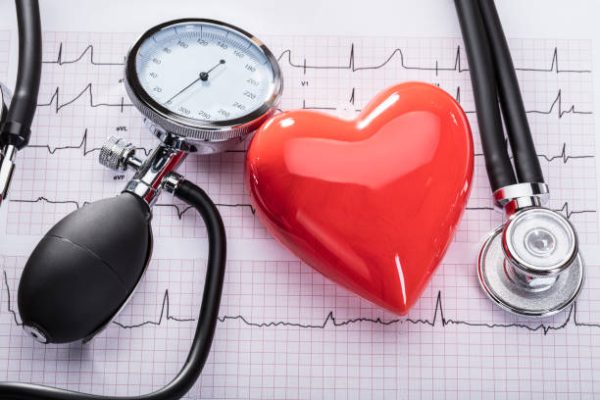
It means that blood pressure drops rapidly to a lower than normal level. Normal blood pressure values are systolic blood pressure between 90 and 119 mmHg and diastolic blood pressure between 60 and 79 mmHg.
Sudden drop in blood pressure, It occurs when blood pressure drops rapidly below these levels. This condition typically manifests itself with symptoms such as dizziness, weakness, sweating, tremors, nausea, vomiting, heart palpitations, vision and hearing problems, a feeling of lightheadedness, and even fainting.
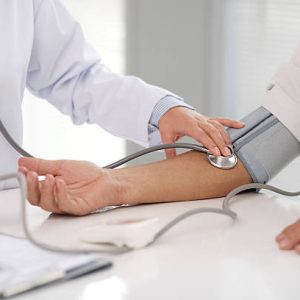
Causes of sudden blood pressure drops include:
• Dehydration or fluid loss
• Excessive blood loss
• Severe infections or sepsis
• Heart problems or heart attack
• Medications, especially blood pressure medications, antidepressants, or anxiolytics
• Severe allergic reactions
• Hormonal problems
• Nervous system problems
If low blood pressure is mild and not causing symptoms, treatment may not be necessary. However, if symptoms become bothersome, the following treatments may be recommended:
1.Fluid intake: If a sudden drop in blood pressure is due to a lack of fluids, fluid intake can be increased. This also applies to drops in blood pressure that occur in hot weather or during exercise.
2.Salt intake: Salty foods tend to raise blood pressure. Therefore, increasing your salt intake can also raise blood pressure. However, in cases of sudden drops in blood pressure, consuming a small amount of salt can help relieve symptoms by increasing blood pressure.
3.Lower doses of medications: In some cases, the dosage of medications used to lower blood pressure may be reduced or changed. However, you should always talk to your doctor before making these changes.
4.Regular exercise: Regular exercise can help keep blood pressure under control. However, people who experience sudden drops in blood pressure should consult their doctor before exercising.
5.Other medications: In some cases, medications may be prescribed to relieve symptoms. For example, medications such as midodrine can help increase blood pressure by constricting blood vessels.

If symptoms become severe, hospitalization and more intensive treatment such as intravenous fluids, saline fluids, blood transfusions, or medications may be necessary.
Sudden drop in blood pressure, It is a condition that can have serious consequences and requires treatment. Treatment may vary depending on the underlying cause.
When symptoms are noticed, it is important to consult a healthcare professional and determine the underlying cause.

