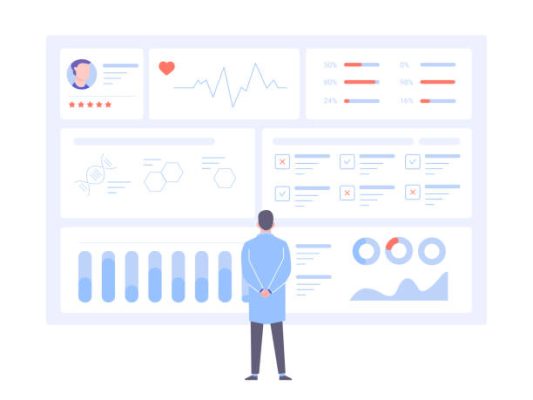
A healthcare provider's monitoring, recording, and follow-up of a patient's medical condition. Patient follow-up, while improving the efficiency of healthcare services and ensuring the accuracy of health records. It can be used in a variety of healthcare settings, including hospitals, clinics, home healthcare, laboratories, and more.

Recording a patient's medical history includes keeping track of medical test results, treatment plans, medications, appointments, doctor visits, test results, etc.
It may include software applications such as electronic health records (EHR), electronic prescriptions, online appointment scheduling systems for healthcare, telemedicine systems, etc.
These tools help better coordinate healthcare, reduce medical errors, lower costs, and make healthcare more effective.
How to Follow Up a Patient?
Patient follow-up The following steps are generally followed:
- Collecting patient data: Information such as the patient's name, age, gender, health history, symptoms, and treatment plan must be recorded.
- Patient monitoring: Regular monitoring of the patient's symptoms, effectiveness of the treatment plan, and side effects is performed. This may be accomplished through patient visits, phone calls, or other means of communication.
- Data recording: Patient data and monitoring results are recorded and stored. These records can be used to track patient status, create future treatment plans, and monitor health status.
- Data analysis: Patient data is used to analyze the progression of their symptoms and the effectiveness of treatment. This can guide healthcare professionals when the treatment plan needs to be adjusted or changed.
- Communication: Healthcare professionals regularly evaluate patients' conditions and treatment plans and respond to concerns and questions from patients or their families.
Patient follow-up, It also fosters strong communication between healthcare providers and patients. It makes it easier for patients to be informed about their health and receive medical advice. It also enables patients to receive more effective treatment and maximize their healthcare benefits.

