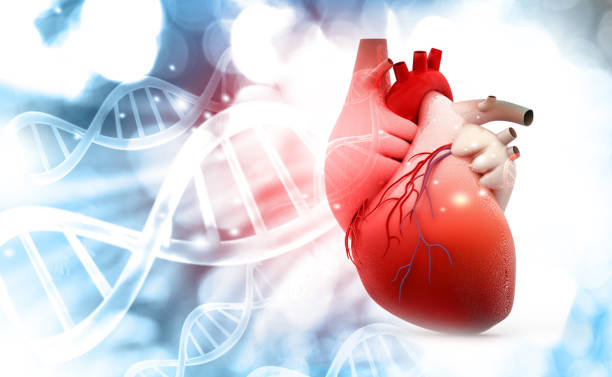
The heart's primary function is to pump blood to the body's other organs and provide them with the oxygen they need. However, if the heart muscle cannot receive enough oxygen due to narrowed or blocked blood vessels, heartache Some symptoms of pain include:

- Chest pain: The most obvious symptom of heart pain is chest pain. The pain is usually felt in the middle or left side of the chest and may feel like squeezing, burning, or heaviness. Sometimes, the pain can radiate to the arm, jaw, neck, or upper back.
- Shortness of breath: Shortness of breath, or labored breathing, is another symptom. This symptom is often accompanied by chest pain and can occur during strenuous activity or at rest.
- Sweating: Heartache There may be intense sweating during use.
- Dizziness: Symptoms such as feeling dizzy may occur during pain.
- Nausea: Pain can sometimes be accompanied by nausea and even vomiting.
Heart Pain Treatments
Treatment depends on the underlying cause, the severity of symptoms, and the patient's overall health. Some pain treatments include:
1. Medicines: Heartache Medications may be used to relieve symptoms. These medications are used to control blood pressure, cholesterol, or blood clotting.
2. Angioplasty and Stenting: Interventional procedures such as angioplasty or stenting may be used to open narrowed or blocked blood vessels.
3. Coronary artery bypass surgery: Surgery such as coronary artery bypass surgery may be necessary to treat severe blockages in the heart arteries.
4. Cardiac rehabilitation: Some people with heart disease can reduce symptoms by participating in cardiac rehabilitation programs. These programs may include lifestyle changes such as exercise, diet, and stress management.
Heartache Treatment may vary depending on the patient's specific condition. If you experience symptoms, it's important to seek immediate medical attention and consult a cardiologist for appropriate treatment.