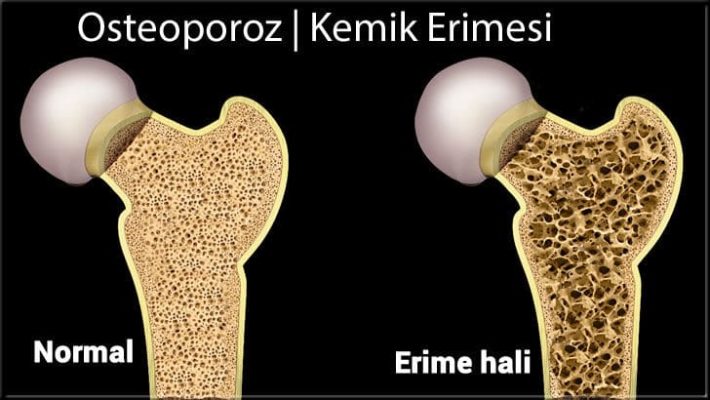
It is a bone disease that causes loss and weakening of bone tissue. osteoporosis, It is characterized by decreased bone mineral density and deterioration of bone microarchitecture, leading to brittle bones. It is more common in older adults, particularly women. In advanced stages, it can lead to hip, spine, and wrist fractures.
osteoporosis, It can occur for a variety of reasons. The most common causes include aging, hormonal changes, nutritional deficiencies, decreased physical activity, smoking, and alcohol consumption. Certain medications can also be a contributing factor.
Osteoporosis Treatment
osteoporosis Treatment primarily involves strategies to strengthen bones and reduce the risk of fractures. These strategies include lifestyle changes such as calcium and vitamin D supplements, exercise, a healthy diet, and avoiding smoking and alcohol. Treatment also includes medications. These medications are used to increase bone mineral density and reduce the risk of bone fractures.
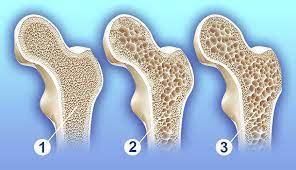
There are many different treatment options available, including various strategies to slow bone loss, prevent bone fractures, and increase bone density. These include:
- Drug therapy: osteoporosis Medications used to treat osteoporosis help strengthen bones and reduce the risk of fractures. These medications come in a variety of forms, including calcium, vitamin D, bisphosphonates, hormone replacement therapy, selective estrogen receptor modulators (SERMs), and monoclonal antibodies.
- Calcium and vitamin D supplements: Calcium and vitamin D supplements, which are important for bone health, play a significant role in the treatment of osteoporosis. Calcium is essential for maintaining healthy and strong bones. Vitamin D enhances calcium absorption and promotes bone mineralization.
- Exercise: Physical activity helps strengthen bones and prevent bone loss. Weight-bearing exercises are particularly beneficial for increasing bone density and strengthening bones.
- Nutrition: A healthy diet is important for bone health. Consuming foods rich in calcium, vitamin D, and other nutrients essential for bone health is beneficial in treating osteoporosis.
- Lifestyle changes: Making healthy lifestyle changes can also be beneficial. These include strategies such as avoiding smoking and alcohol consumption, exercising regularly, and improving safety at home and at work to reduce the risk of falls.
osteoporosis Treatment strategies are determined by your doctor, taking into account your individual needs and treatment goals. Treatment is monitored with bone density scans to measure bone density.

